What is HybenX?
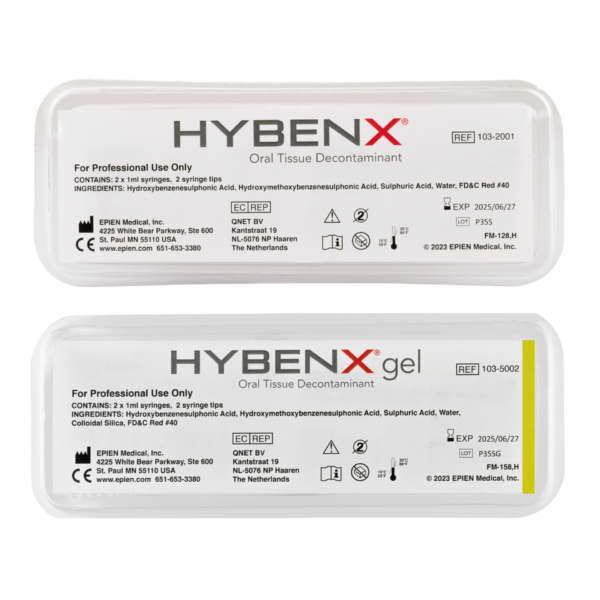
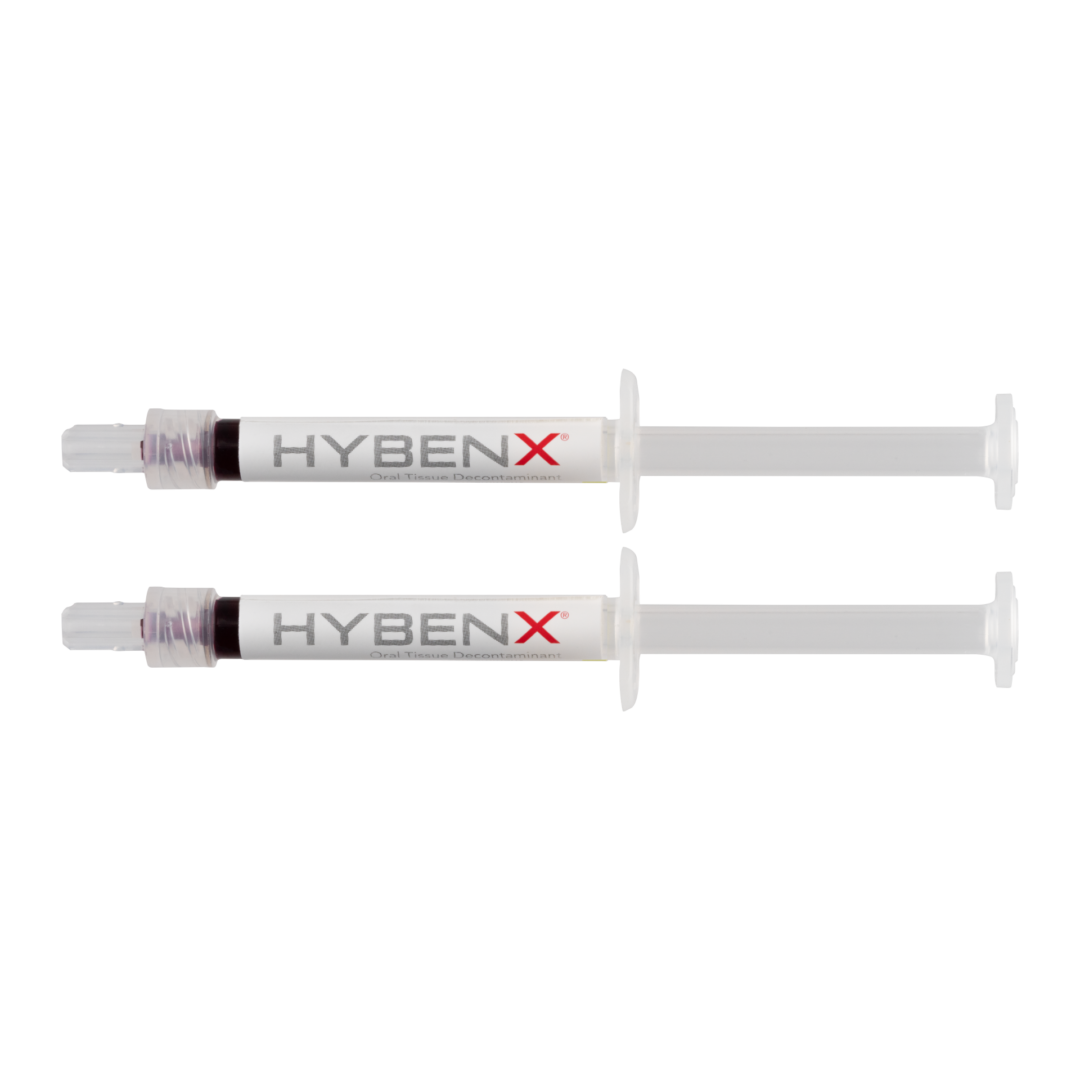
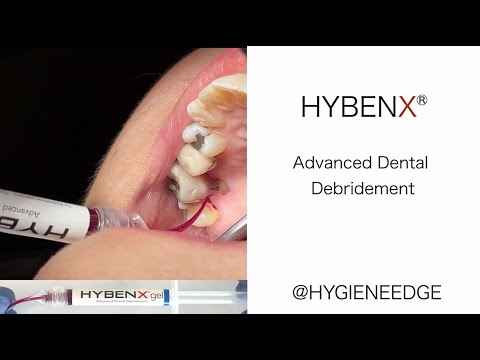
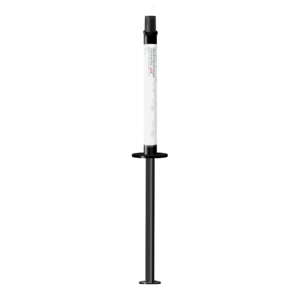
The name is a contraction of Hydroxy Benzene Sulphonic Acid. It is a topical therapeutic liquid/gel chemical desiccant that safely removes microbes and tissue debris from treatment areas without harming healthy tissue and with no systemic effects, based on EPIEN’s Desiccation Shock Technology (DST). Its key use is as an adjunct to scaling and root planing (SRP).
What are the active ingredients?
Purified pharmaceutical-grade sulfonated aromatic compounds (sulphonated phenols) and sulfuric acid.
What are the listed ingredients?
Hydroxybenzenesulphonic acid, hydroxymethoxybenzenesulphonic acid, sulfuric acid, water, colloidal silica (for gel thickness), and FD&C Red #40.
What does HybenX do and what is the immediate effect?
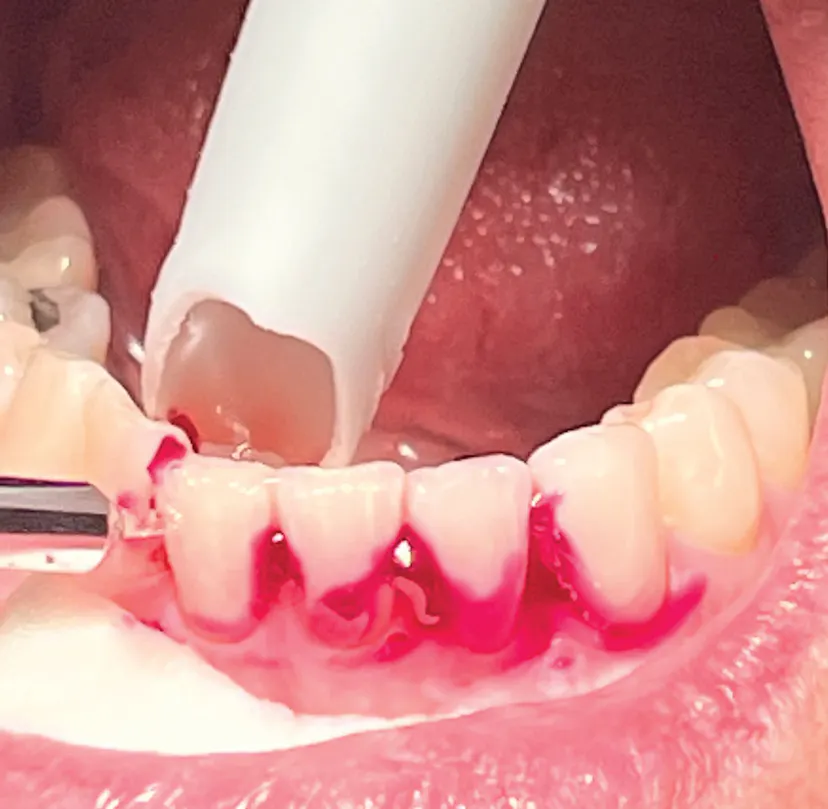
It causes rapid, complete biofilm desiccation, instantly converting necrotic tissue, biofilm, and other pathogenic material on a lesion or periodontal pocket into harmless devitalized coagulum. The biofilm collapses as it denatures and is then easily removed with a water rinse, promoting natural healing. In practice, layer or irrigate less than 1 ml onto the tissue, leave 10-30 seconds, then rinse with water. It selectively targets damaged tissue, reducing bleeding, pain, and infectious load.
How does Desiccation Shock Technology work?
DST is a fast physical process that removes water from the combined infectious material and dead cellular debris in a lesion. This denatures the molecular structure of the infectious material and loosens its attachment to the lesion surface, all within less than a minute of contact.
What procedures can HybenX be used for?
Periodontal treatment and general cleanings; peri-implant mucositis and implantitis; pre-restoration of excavated caries lesions; cleaning abscessed sites; pre- and post-mucosal surgery; aphthous ulcer relief; cleaning prosthetics and orthodontic fixtures; caries/crown-prep cleaning; and endodontic treatment.
It contains sulfuric acid. Is it acidic, and can it burn tissue?
No. HybenX is a concentrated acid, not a strong acid, and it will not burn tissue. Highly concentrated acids have no measurable pH because there is insufficient free water for the acid to release hydrogen ions, so they have no acidic effect.
What is the effect on enamel and dentin?
Minimal. In testing, a 2-minute exposure was less erosive than the citric acid in fruit juice and the lactic acid in yogurt, and up to 30 minutes of constant contact produced no measurable change in enamel or dentin microhardness. The product family has been used safely in over 7 million oral applications.
Does HybenX harm healthy tissue?
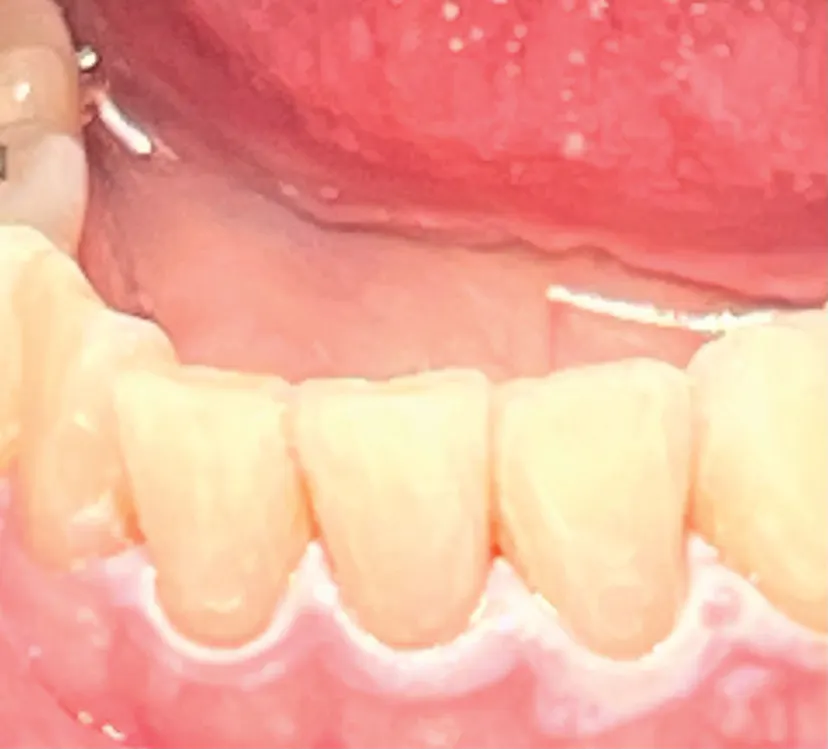
No. It selectively targets biofilm and necrotic tissue, which give up their water more readily. It temporarily blanches the healthy tissue it contacts, typically resolving within a few hours; this blanching signals the product is working.
Does it affect restorations or implants?
No. There is no water in them for the desiccation effect, and as a concentrated acid it has no pH. HybenX also does not alter the surface characteristics or cytocompatibility of titanium implants versus untreated controls.
Is HybenX FDA and Health Canada cleared?
In the US it is FDA cleared for periodontal treatment, caries/crown-prep cleaning, and endodontic treatment. In Canada it is a Class 1 medical device (an oral tissue decontaminant), the same classification as thermometers and toothbrushes.
How much can be treated per syringe, and can one syringe do a full arch?
Approximately 30 mm of pocket depth per syringe. Used with SRP, one syringe treats a full arch if used both pre- and post-SRP.
What is the difference between liquid and gel?
The active ingredients are identical; the gel simply contains a little silica for a thicker viscosity that stays in place better where liquid might flow away. Both thin as they reach body temperature, which eases rinsing. Choice is clinician preference based on the procedure.
How is HybenX used in a hygiene appointment?
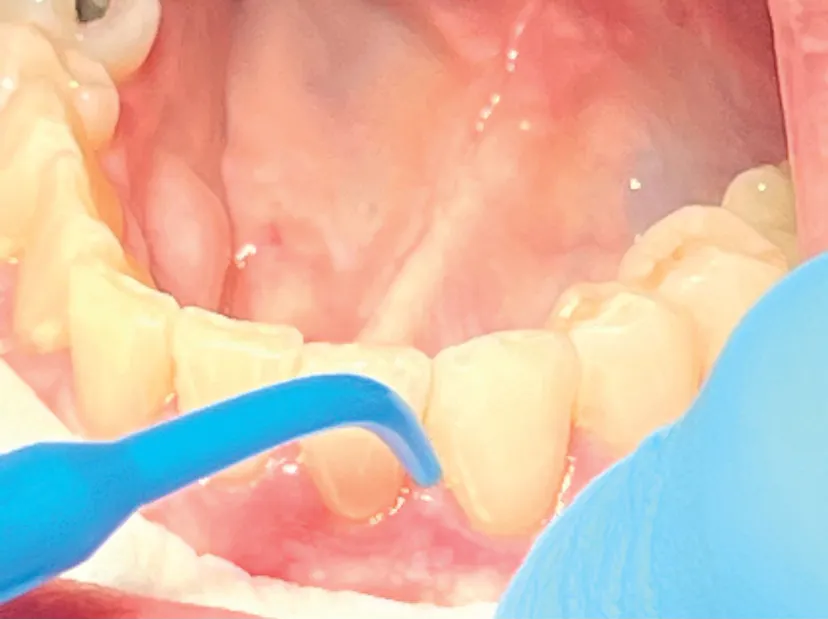
It can be used pre- and post-SRP. Pre-SRP, place it on hard and soft deposits, wait 10-30 seconds, then evacuate and rinse; this desiccates calculus and makes scaling easier. Post-SRP, apply subgingivally to fill the pocket, wait 10-30 seconds, then evacuate and rinse, clearing bacteria and biofilm with no post-treatment restrictions. Total application time is about 1-3 minutes.
Can HybenX stain clothing?
Yes. Incidental contact can cause pink staining and/or damage clothing.
What type of tip is used?
The liquid uses a standard 22-gauge bent metal blunt tip; the gel uses a blue flow tip.
What is the shelf life, and does it need refrigeration?
Shelf life is 2 years, and refrigeration is not needed; room temperature is fine.
Can an oral antimicrobial be used after HybenX?
Yes, but advise the patient to wait 48 hours after treatment before starting an antimicrobial, to let commensal flora repopulate the pocket. Also consider whether the antimicrobial is even needed.
What are the contraindications?
A sulfur allergy (not a sulfa allergy) is the contraindication. Sulfa is a sulfonamide antibiotic; sulfur is the element, and HybenX’s sulfates are unrelated to sulfonamide antibiotics and rarely cause reactions. It also contains FD&C Red 40, which may be a sensitivity for some. It has not been tested in pregnant women or children under 18 and is not recommended for them out of caution.
Are there independent studies and a published RCT?
Yes, many are available on the Epien website. A published randomized controlled trial is Isola G, et al., ‘The effects of a desiccant agent in the treatment of chronic periodontitis: a randomized, controlled clinical trial,’ Clin Oral Investig, 2018.
How does HybenX compare to Arestin (minocycline)?
Arestin is a local antibiotic acting on targeted bacteria over weeks, with significant 10-day post-op instructions and higher cost. HybenX is a desiccant device that instantly kills and removes all pathogenic bacteria, biofilm, and necrotic tissue during the in-office visit, softens calculus and lifts denatured biofilm for easy rinsing, has no post-op instructions, uses no antibiotics, is less expensive, and can be reapplied as needed based on clinical judgment.
How long does the bactericidal effect last (substantivity)?
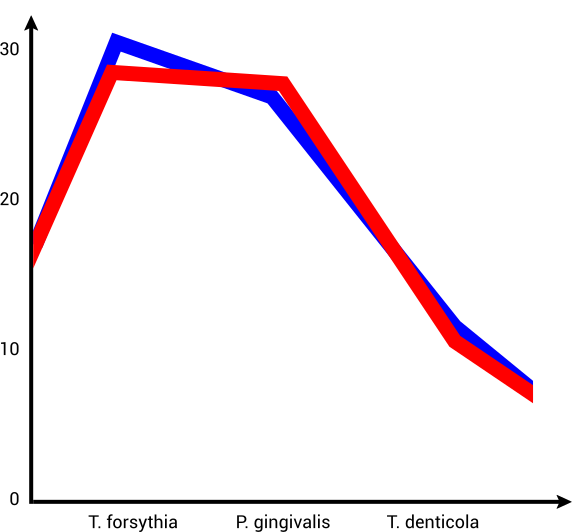
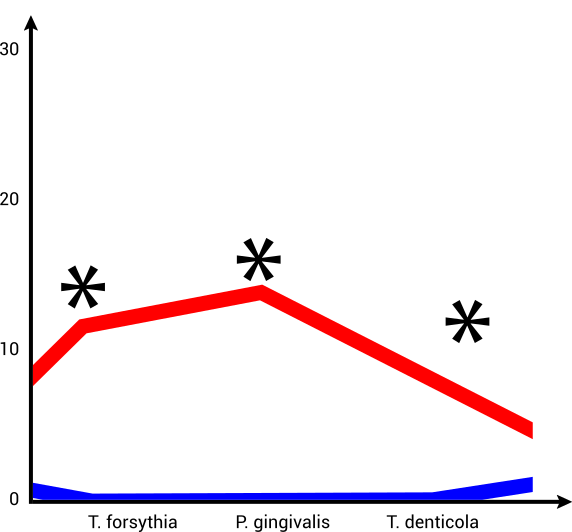
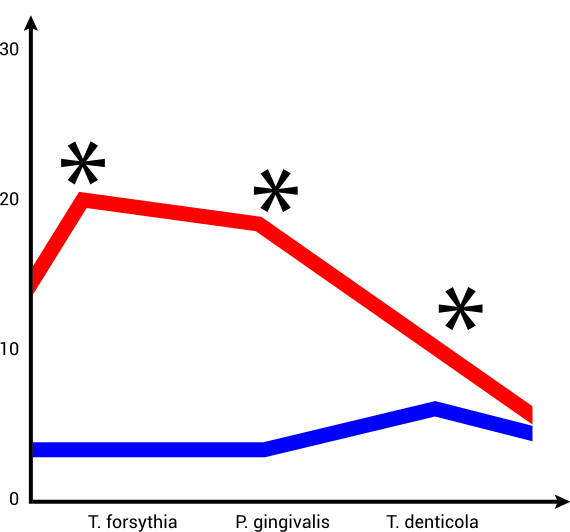
The Isola RCT charts repopulation time versus SRP alone; substantivity for keeping red-complex bacteria at bay is roughly 6-12 months.
Where does it fit into Guided Biofilm Therapy (GBT), and does disclosing solution affect efficacy?
It likely fits toward the end of the GBT sequence, after piezon/scaling as a final cleanse, and could also be applied before piezon for tenacious calculus. It’s best not to use it before airflow/perioflow as a precaution (no evidence, just caution regarding possible emphysema).
Would you apply to the entire arch at once, or a few teeth at a time?
Apply to a few teeth (about a sextant) at a time so you can rinse it off efficiently after 10-30 seconds and keep the area isolated, since the product has a strong sour taste. A full mouth in one appointment is possible per the manufacturer, but applying to the whole arch at once isn’t recommended.
Is there a wait time before probing after HybenX, to protect fibers for reattachment?
Nothing specific to HybenX is documented, but as with traditional SRP, wait about 4-6 weeks for tissue response/reattachment before re-probing.
Can I treat all teeth first and then do SRP, or is area-by-area better?
A quadrant approach is generally suggested, especially with heavy bleeding, to maximize the hemostatic effect and monitor sensitivity. If HybenX is needed everywhere, you likely need time for SRP and may not finish in one visit, so quadrant or sextant with definitive debridement is best.
Can HybenX be used during open-flap surgery around an implant?
Yes, for managing periodontitis or implantitis during an open-flap procedure, with two cautions: leave it in the surgical area no longer than 30 seconds, and flush it out thoroughly, ideally with an ultrasonic.
Can I apply HybenX twice at the start of an appointment for heavy calculus?
Cautiously, yes. Minimize double application to surrounding tissue, keep each application to no more than 30 seconds, and avoid over-desiccating healthy tissue.
Is HybenX safe for people with a weakened immune system?
The key factor is the health of the tissue at the application site, not immune status alone. Avoid it where tissues are already inflamed, fragile, or actively irritated, since compromised tissue is more sensitive and prone to drying out, which could cause unwanted irritation.
Is HybenX a carcinogen because it comes from benzene?
No. It contains sulfonated phenolic compounds and sulfuric acid, which are chemically different from benzene. The ‘benzene’ in the chemical name refers only to the starting ring structure; sulfonation transforms it into a larger, water-soluble molecule that cannot penetrate tissues the way benzene does, so it isn’t classified as carcinogenic by OSHA, IARC, or the EU. Carcinogenic products would not receive clearance for clinical use.
Are there contraindications for using Cetacaine and HybenX in a patient with chronic kidney disease and chronic periodontitis?
There is no absolute contraindication, but take precautions. Base HybenX use on the local tissue condition, not kidney disease alone, and consider limiting initial use to a single tooth to confirm normal tissue response. Cetacaine at low topical dental doses is generally safe, but its ingredients are metabolized through the kidneys, so stay strictly within dosage limits. For CKD stages 4-5 or dialysis patients, a physician consultation is recommended before treatment (this applies to all local anesthetics). If there is a known risk of methemoglobinemia in addition to CKD, Cetacaine should not be used.
Could HybenX trigger shingles?
There is no evidence that it causes or triggers shingles, which results from reactivation of a dormant virus, usually during immune stress. Local tissue irritation or post-treatment discomfort does not indicate viral activation.
Is HybenX recommended for candidiasis or lichen planus?
No. In oral candidiasis the mucosa is already compromised, and the desiccating action risks deepening injury and impairing recovery. In oral lichen planus (an autoimmune condition), its antimicrobial action offers no benefit, and the fragile, denuded mucosa (especially in the erosive form) is highly susceptible to chemical injury. The principle is that HybenX is inappropriate where mucosal vulnerability is high.
I see brownish/black tissue in the pocket after application. Is this normal?
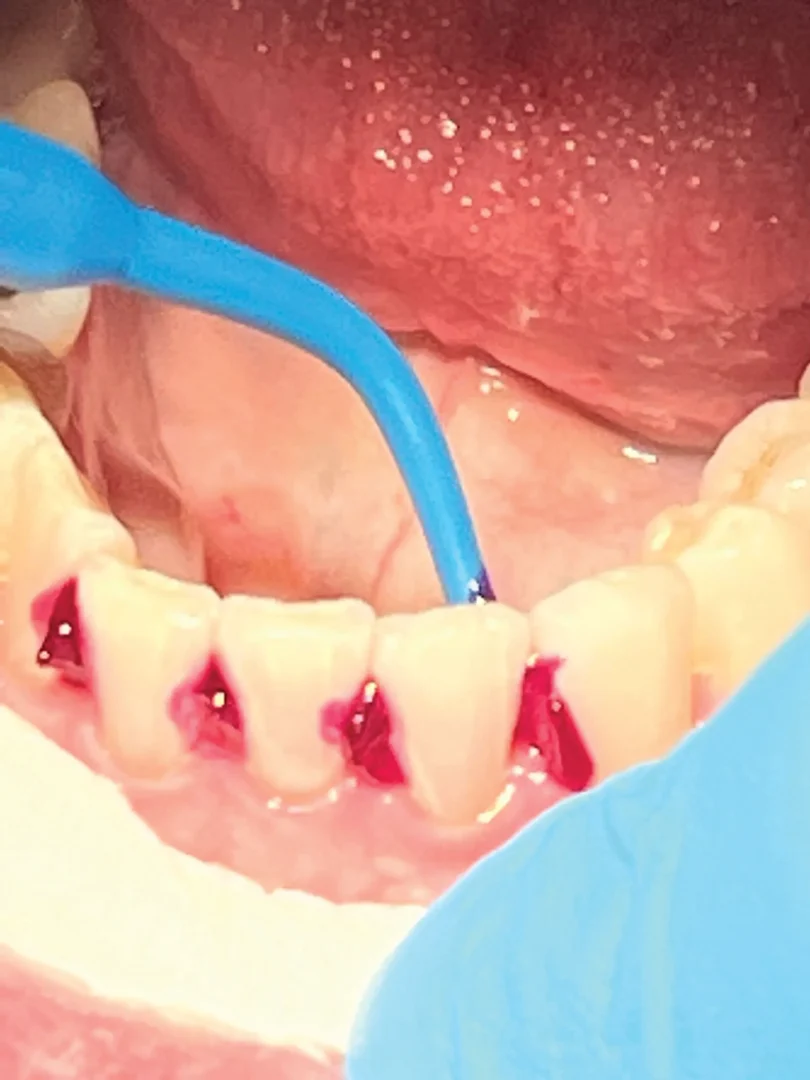
Yes. The desiccated, denatured biofilm, bacteria, and necrotic tissue may change color. All brown/black residue should be removed, similar to removing granulation tissue.
How would an allergic reaction appear, and how is it managed?
Allergies are extremely rare and may present as tissue swelling, painful inflammation, and sometimes blistering, with onset immediate or within hours; most improve significantly within 24 hours. Manage mild blistering with a topical gel such as Gengigel, and severe blistering/swelling with a topical steroid gel plus analgesics; patients with a hypersensitivity history may also need antihistamines.
What is the normal appearance of tissues after application, and what will the patient feel?
Tissues may appear blanched with bleeding stopped (hemostatic effect), and some patients experience tissue sloughing; blanching usually reverses within a few hours (up to 24 for some). Patients may feel tingling for a few seconds and a sour taste until rinsed, and in severely inflamed areas a brief stinging sensation.
What are the post-op instructions?
Blanching should fade within 24 hours. Optionally apply Gengigel or vitamin E oil. If root surfaces are exposed, treat sensitivity with X-PUR Crystal for immediate relief and X-PUR Remin toothpaste for long-term protection. Patients may resume normal eating and oral hygiene immediately.
Can I use HybenX® on a patient who takes antibiotics before dental treatments?
Yes you can. HybenX® is not systemically absorbed and should have no adverse effect when used appropriately.