Does Papacarie Duo work on all caries lesions regardless of depth, and does it work within minutes?
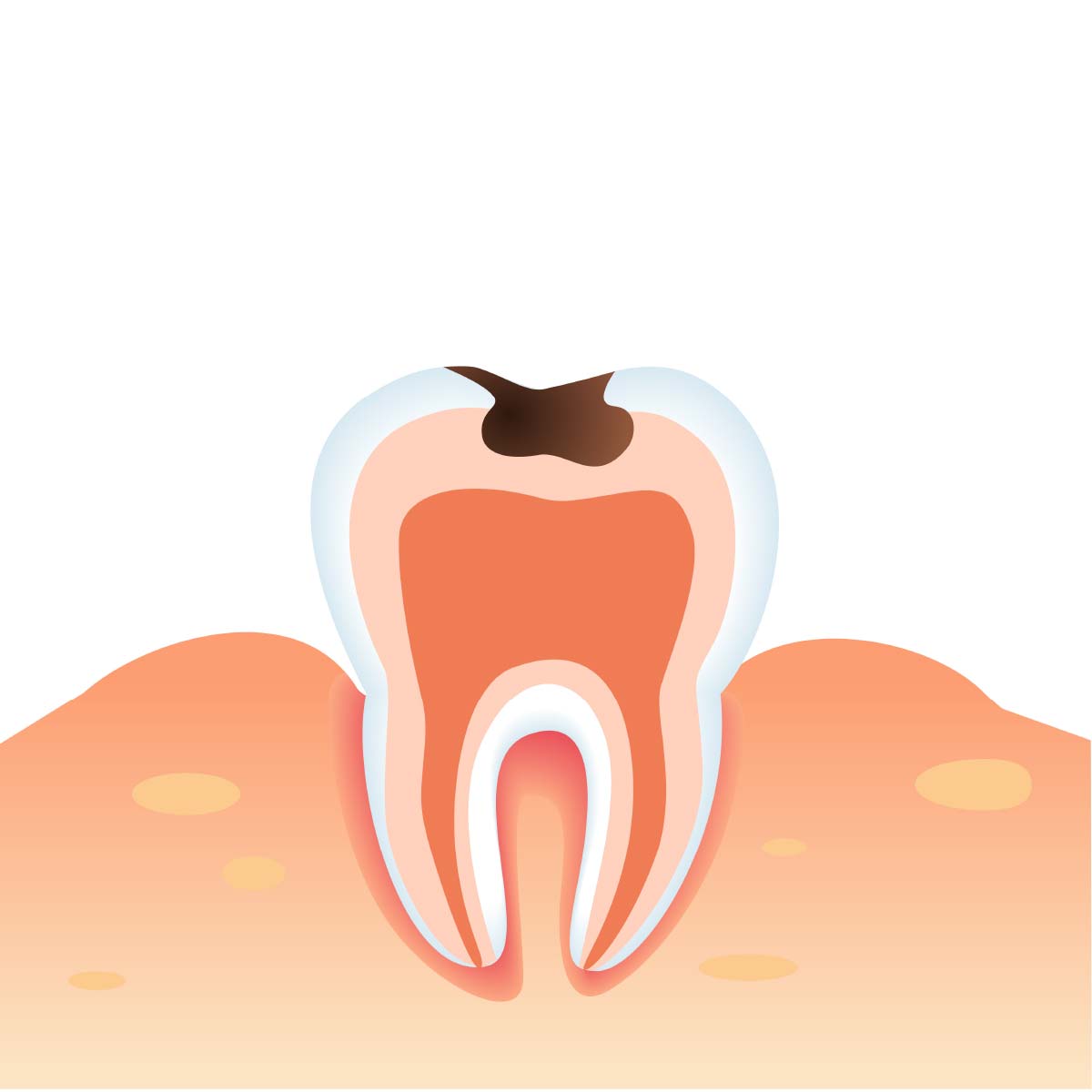
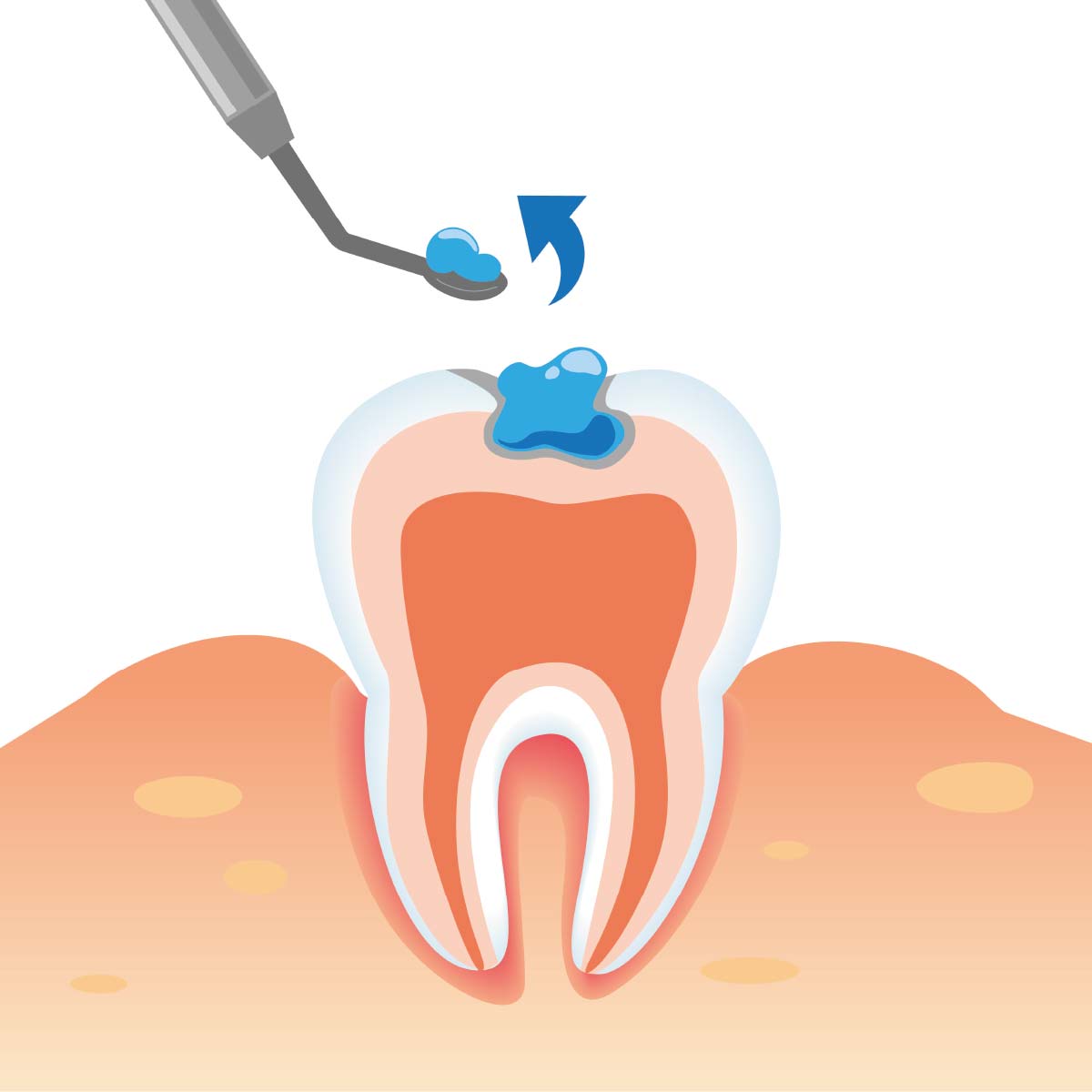
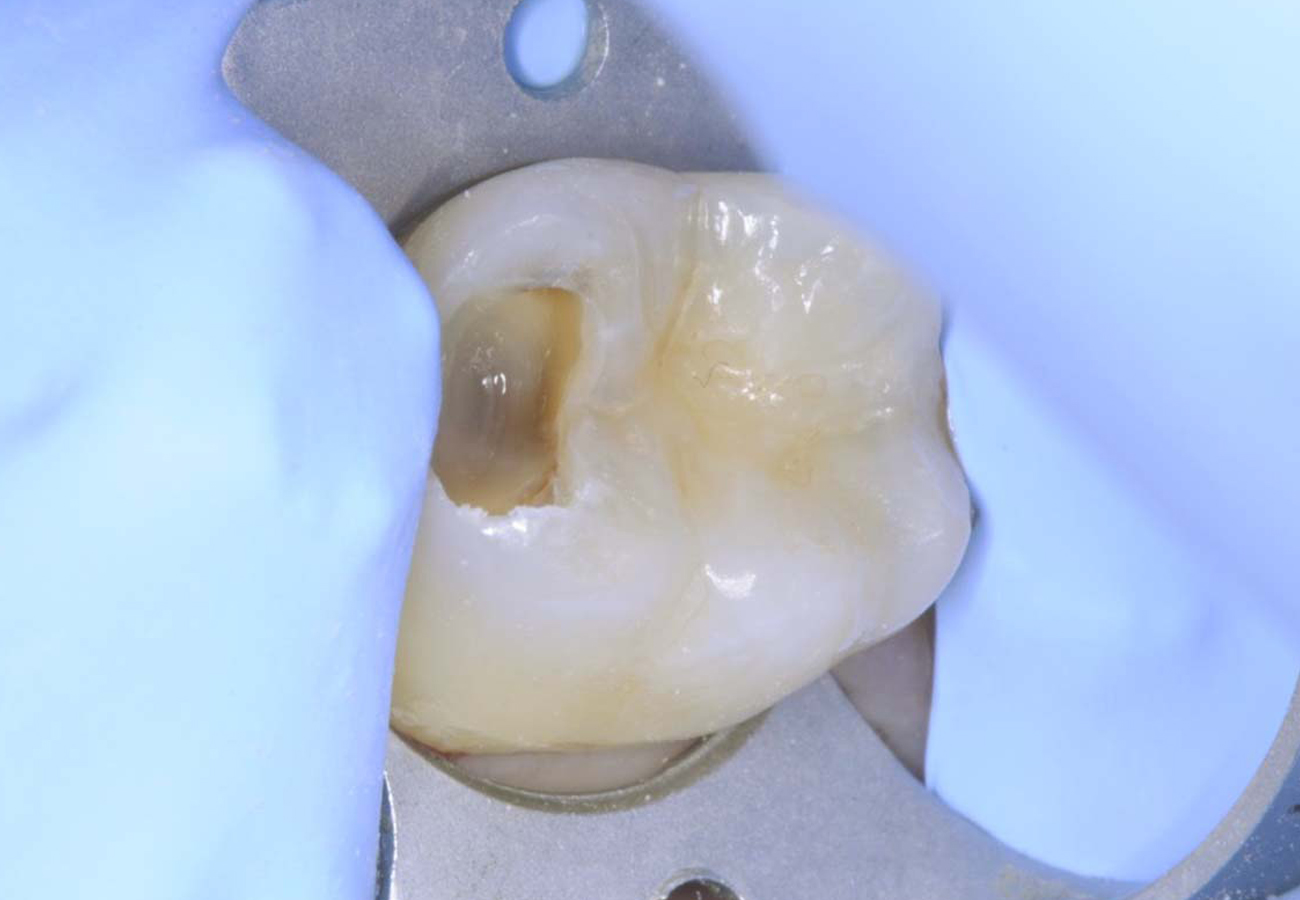
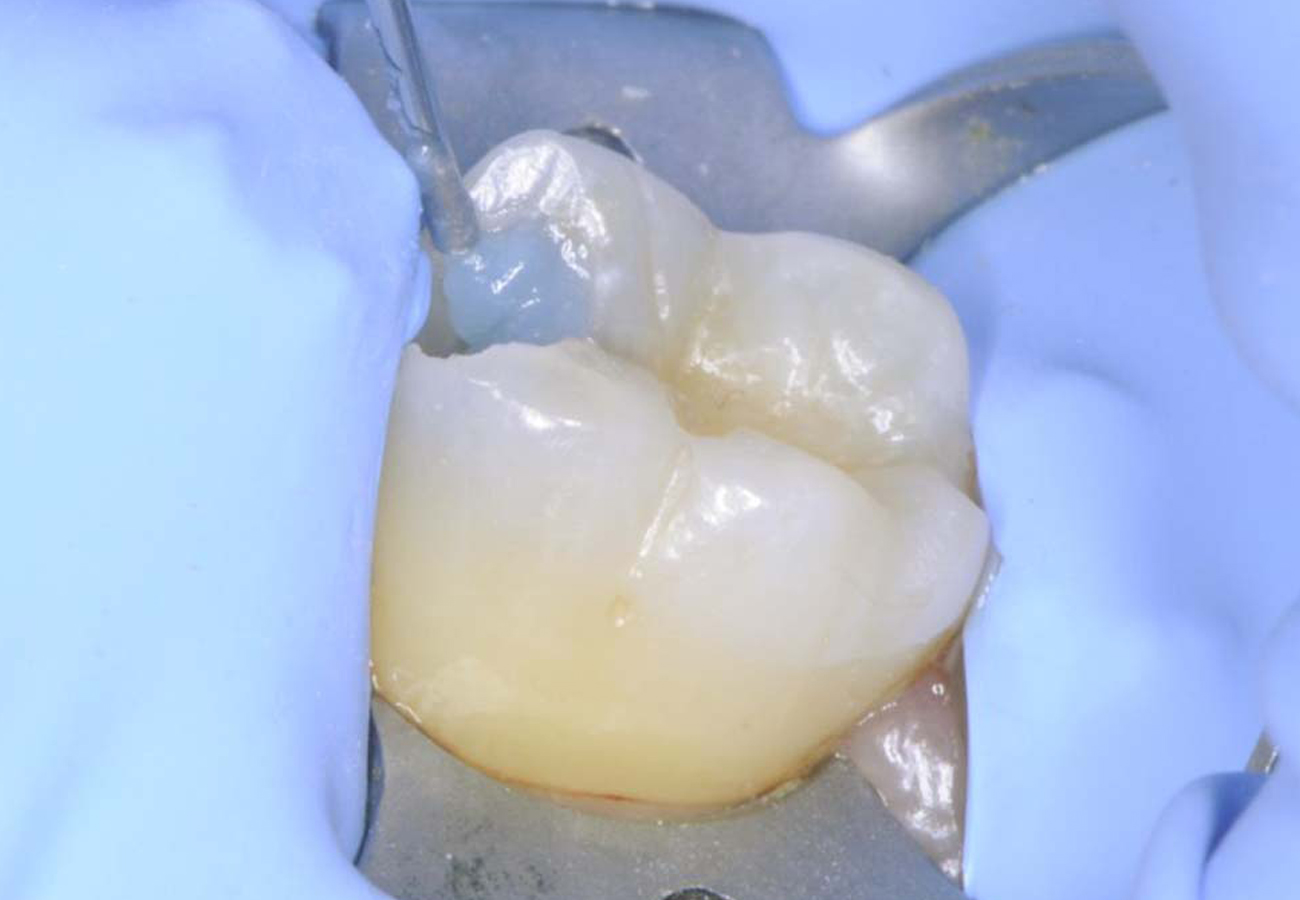
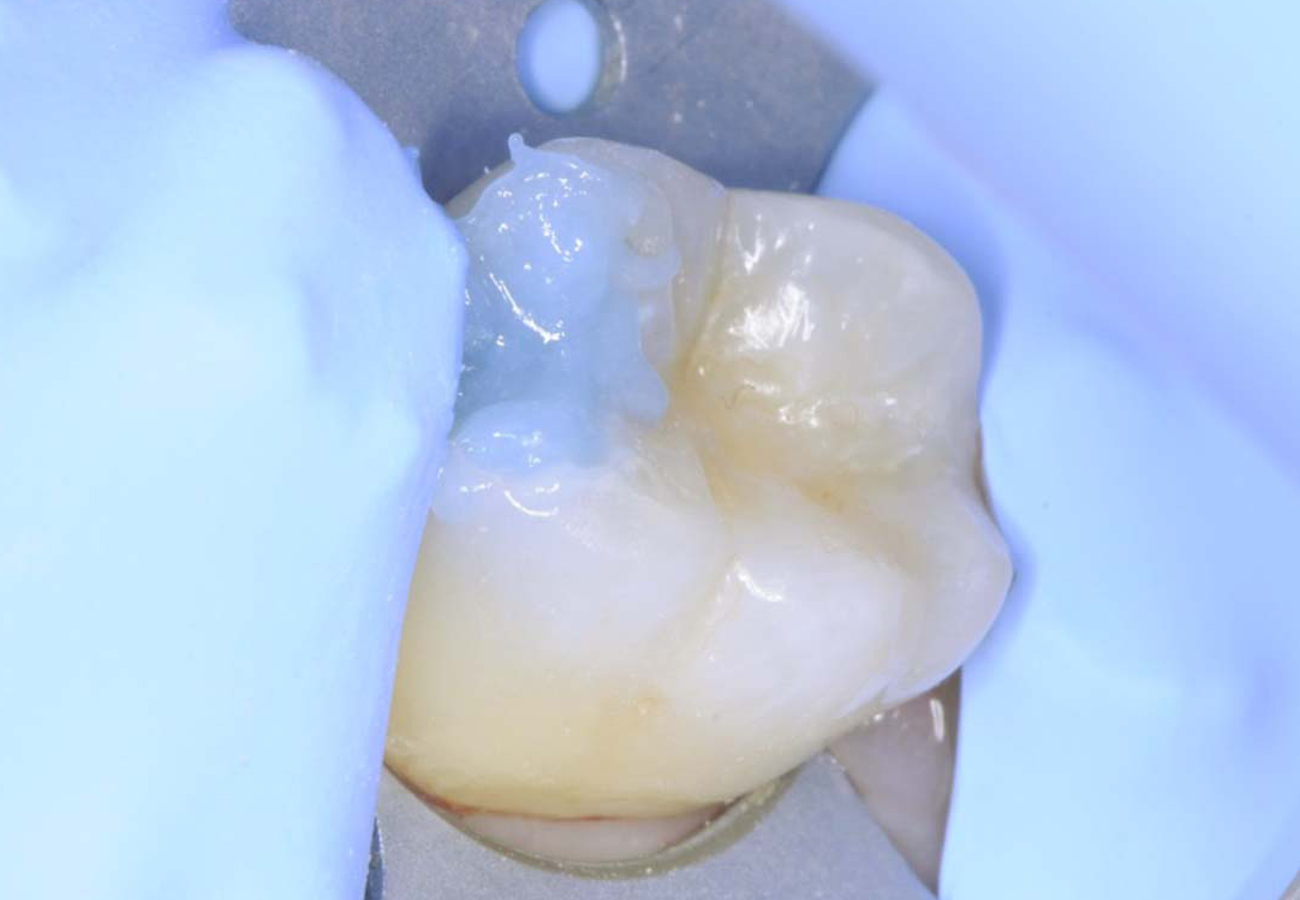
It works within 30-60 seconds; apply, then scoop out the softened decay, repeating if needed. The only lesions it won’t work on are those you can’t access, such as pinhole or interproximal caries. It can be used in deep lesions close to the pulp (it makes removal gentler and less likely to expose the pulp), but never on an exposed pulp or in a direct pulp cap.
Can I apply it, cover it to work longer, and finish removal at a later appointment?
No. Don’t leave the gel sealed under a lesion. Instead apply, scoop out the decay, rinse, and then restore however you like (temporary, glass ionomer, or composite).
Can I apply it a second time in the same appointment if I can't remove all the decay?
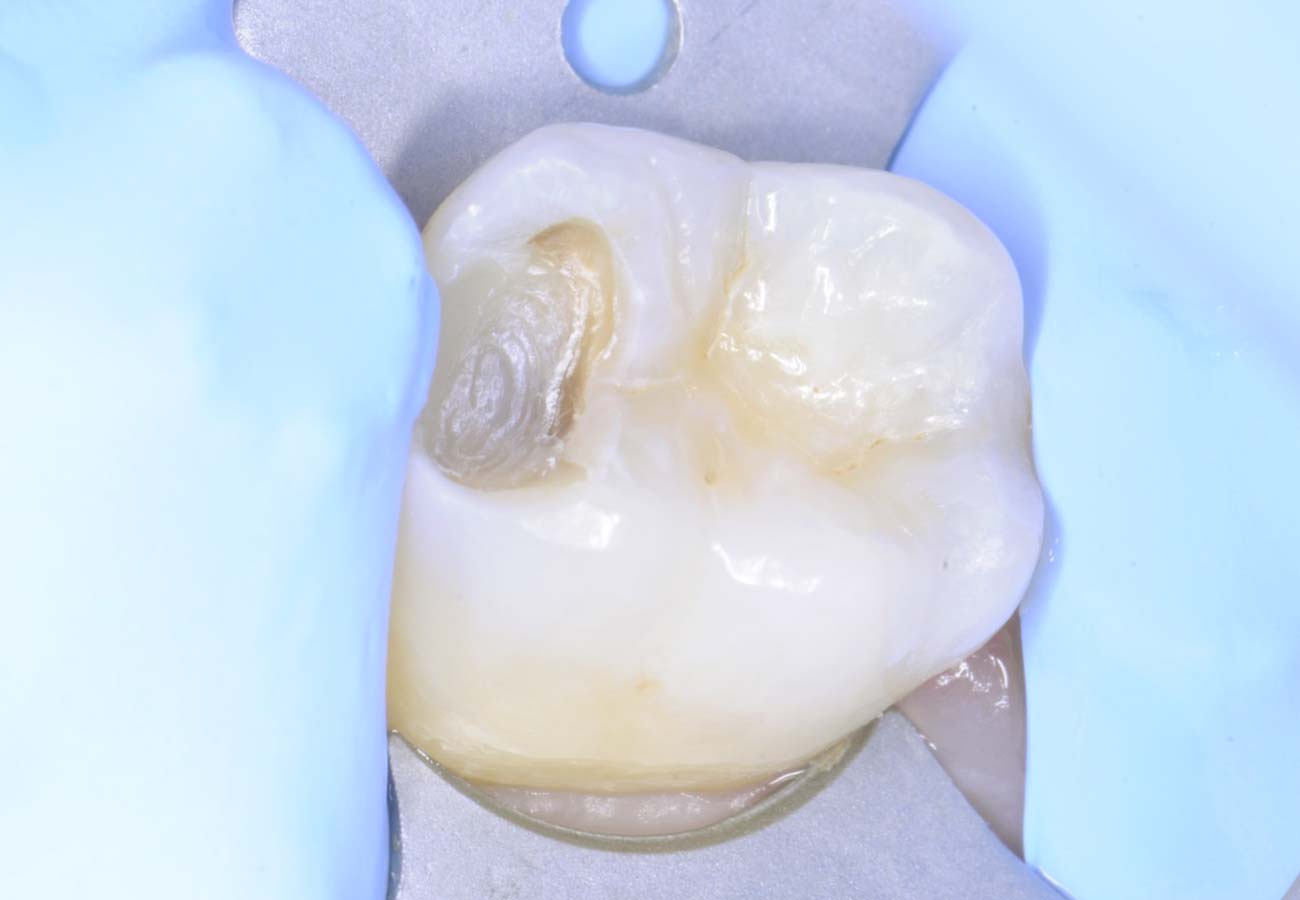
Yes. For a larger lesion, apply, excavate, and if decay remains, apply and scoop again as many times as needed. The blue gel turns cloudy as it breaks down decay; if it stays blue and doesn’t cloud, you’ve removed all the decay.
What is the purpose of the ammonium chloride / chloramine?
It acts as a mild antimicrobial, a buffering agent, and the activator for the papain enzyme.
Does Papacarie Duo eliminate all drilling?
No. Some lesions such as pinhole and interproximal caries aren’t accessible to hand instruments and may require a drill. The dentist may use handpieces to access lesions or improve margins, and Papacarie Duo can be used alongside them.
What is the best application tool: microbrush or spoon excavator?
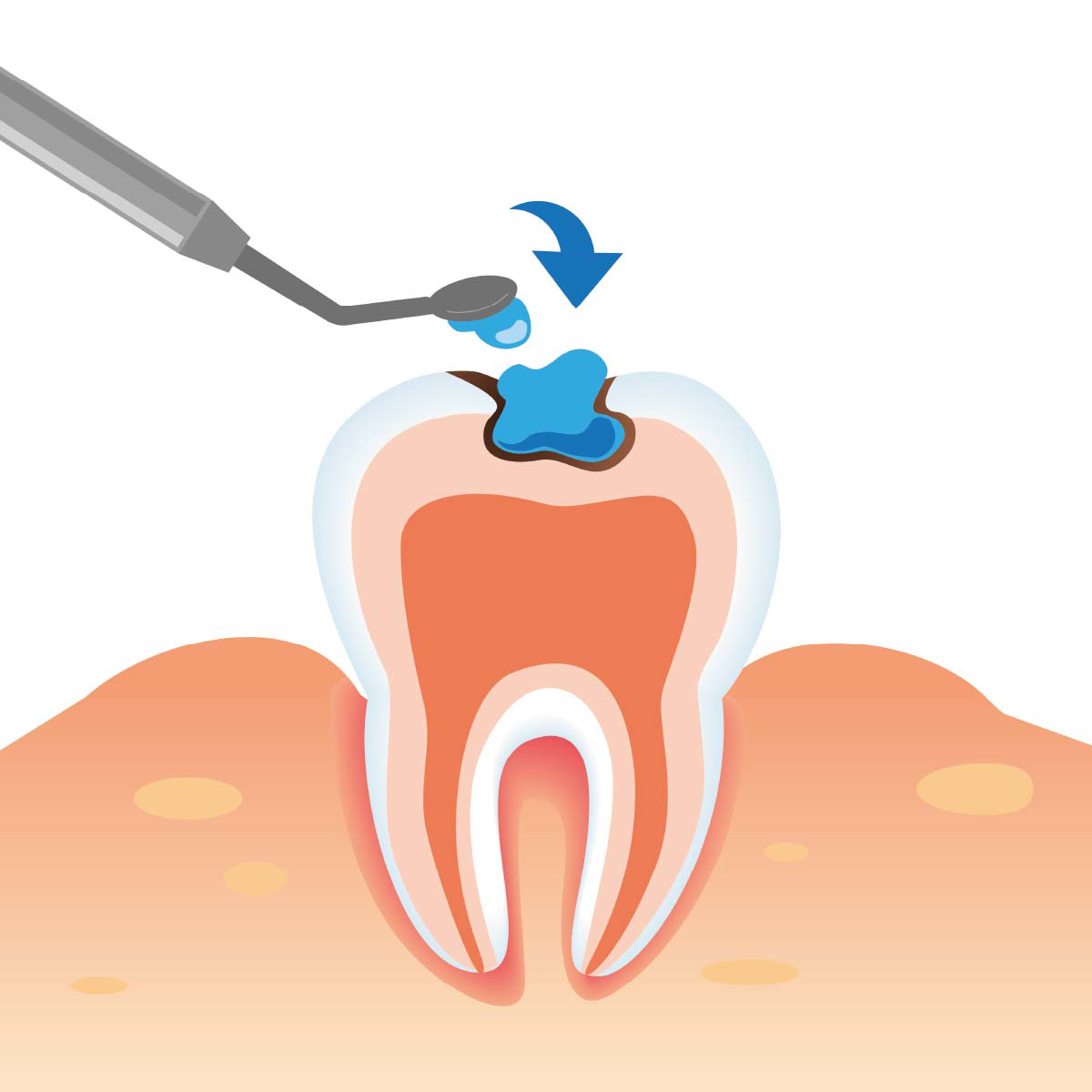
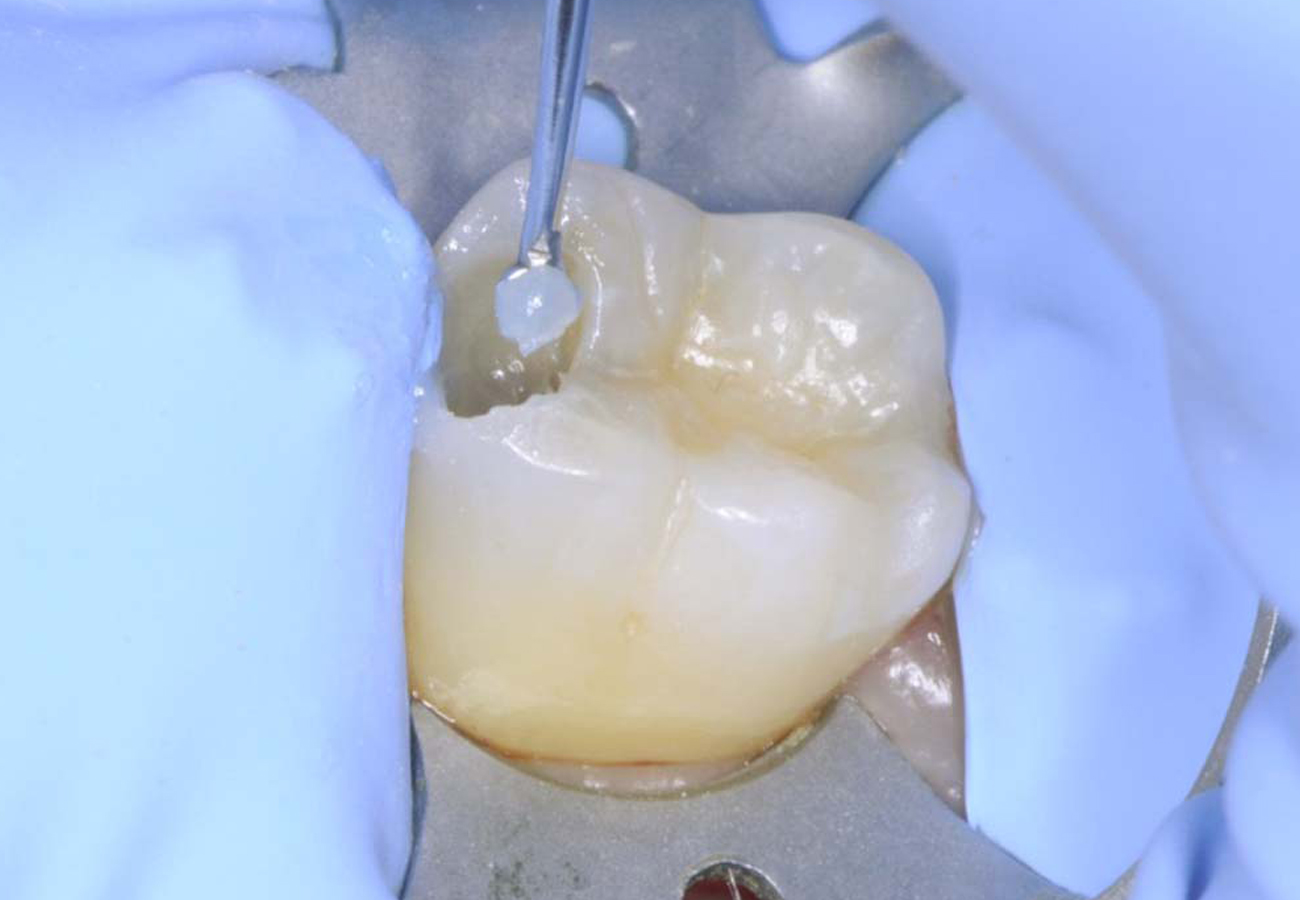
Dispense into a dappen dish and use an instrument (spoon excavator) to place the gel on the lesion; a microbrush often doesn’t transfer it well. You can then remove softened decay with an instrument, or sometimes a microbrush if soft enough.
In primary teeth, does Papacarie Duo risk pulpal necrosis if it reaches the pulp through permeable dentin?
There is very little risk. If a layer of dentin covers the pulp, the gel is inert on living tissue even if it diffuses through; avoid direct contact. Be more cautious during hand excavation, which is more likely to cause an issue than the gel itself.
Does Papacarie need to be fully rinsed before a temporary filling, given its propylene glycol content?
The FDA labels it a tooth-cleansing agent and studies report enhanced bond strength, so rinse and dry after use, then restore per the material’s directions. Where water is limited, wipe the area with wet gauze until cleared, which is useful in long-term-care or medical settings.
What are the active and inactive ingredients?
The active ingredients are papain and chloramine. Inactive ingredients include copper phthalocyanine (blue color) and a thickening vehicle, together providing bactericidal, bacteriostatic, and anti-inflammatory properties.
What are the instructions for use?
Ensure the site is debris-free (a toothbrush-clean surface is sufficient; no prophy needed), rinse and dry, then apply the gel for 30-60 seconds, gently test with a blunt explorer, scoop out softened dentin, and reapply as needed without rinsing or drying until only sound dentin remains.
Can I restore the site the same day, or do I need a second appointment?
You can restore the same day if desired.
How many applications does an average site need?
Typically two, though it varies with lesion size and depth. When the blue gel no longer changes color, no decayed tissue remains.
What is the mode of action for caries removal?
Papain softens and cleans necrotic tissue and secretions, aiding tissue recovery while sparing surrounding sound tissue. It acts only on tissues lacking the alpha-1-antitrypsin protease inhibitor, so it does not affect healthy tissue.
How will I know an application has been successful?
Gentle probing with a blunt explorer detects only intact, sound surfaces, and the gel lightens and turns cloudy as it works. If a fresh application stays blue and viscous, the process is complete.
Will it affect bonding of restorative materials?
No. It is labeled a tooth-cleansing agent and studies report enhanced bond strength. Rinse and dry, then restore per the manufacturer’s directions.
Does it cause discoloration, or stain adjacent teeth, composites, or crowns?
No. Its cleansing action can actually remove lesion-related discoloration while sparing healthy tissue, and it does not stain adjacent teeth or restorations.
Will it harm the soft tissues of the mouth?
No. It is inactive on soft tissue and has a neutral pH. If it contacts soft tissue there is no concern.
Are there post-appointment instructions, and will the patient feel anything?
No restrictions; patients may eat, drink, and brush immediately. It is generally very comfortable, with no heat, vibration, or anesthesia.
Should it be light cured?
No; there is no benefit to light curing.
How far into enamel and dentin does it penetrate?
Depth of penetration hasn’t been studied. It has no effect on intact enamel or dentin but acts on infected enamel and dentin; reapply until a blunt explorer detects only sound tissue.
Who is allowed to apply Papacarie Duo?
Regulations vary by province; consult your provincial scope of practice for non-surgical caries removal.
What does 'Duo' stand for?
It denotes the second-generation gel formulation, with improved handling and room-temperature storage versus the original liquid.
Do papain-based products irritate the pulp?
Not under normal use. Do not use on an exposed pulp, but they can be used in deep lesions where dentin still covers the pulp. It is not recommended for direct pulp-cap procedures.
How many applications per syringe, and how much should I dispense?
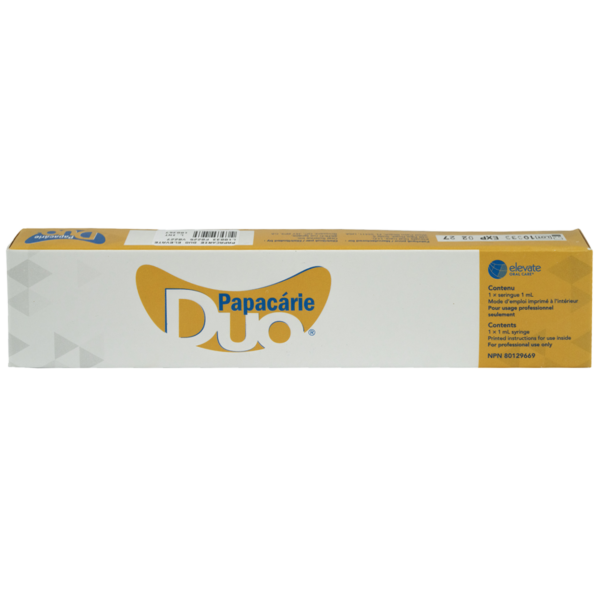
Up to about 20 applications per tube, varying with lesion size and depth. Dispense into a dappen dish or onto a pad, then transfer to the site with your preferred applicator, avoiding cross-contamination, and recap promptly.
Is there a point where a lesion is too large to use a papain-based product?
The product must contact the lesion directly, so for a large lesion you may need to open access to reach the body of the lesion, but size itself isn’t a barrier.
Are there adverse events, and what are the contraindications?
No adverse events have been reported. Use PPE and patient eye protection. Papain can trigger IgE-mediated allergies, so discontinue if hypersensitivity occurs. It is contraindicated in patients sensitive to papain or other ingredients, or with abnormal skin sensitization/irritation.
What should I do for limited-access or pinhole lesions?
The gel must contact carious tissue directly, so create access if needed to reach the lesion.
Does it work on both enamel and dentin, and on root caries?
It has no effect on intact enamel or dentin but acts on infected enamel and dentin; in Canada it is indicated to aid removal of carious dentin without drilling. It also works on root caries.
Can it be used on patients with dentinal hypersensitivity?
There is no specific data. As it removes debris and decay, it may open and clean dentinal tubules.
Is there a billing code for Papacarie Duo?
Check your provincial authority; use is typically bundled with the restorative/treatment code rather than billed separately.
How does it affect SDF-treated sites, and can they be used together?
Once a lesion is arrested with SDF, Papacarie Duo will likely be less effective because the proteins are solidified with silver. Publications are lacking, so it’s recommended to choose one or the other, not both on the same lesion in the same appointment.
When should I use Papacarie Duo versus SDF?
If form and function will be restored, use Papacarie Duo to clear decay before restoration. If the lesion can be arrested without restoration (or via SMART), consider SDF. The clinician determines the best route based on the case.
Do I need to anesthetize the patient first?
No. Comfort without anesthesia is a key benefit, especially for fearful patients.
What are the storage requirements?
Store at room temperature between 2°C and 35°C in the original packaging with the cap tightly closed.
Can it be used on a tooth before placing a crown?
Yes. You may still need a bur for preparation; rinse and dry after use, then follow the cement manufacturer’s instructions.
Is isolation or a rubber dam necessary?
No. Use your usual isolation preferences.
Is it safe for children and pregnant patients?
Most studies are in pediatric patients, and in Canada it is recommended for individuals aged 2 and above. There are no direct studies in pregnancy, and while no harmful effects are expected based on toxicology, it would correspond to a category-C-type precaution if it were a drug.
Can I use it on multiple sites in the same appointment?
Yes.
What happens if it is swallowed?
Accidental ingestion of small treatment amounts should not cause harm; papain is inactivated by the stomach’s low pH and chloramine is used in municipal water. Seek medical attention if large quantities are ingested.
Can it be used on patients with a latex allergy?
Yes. Latex allergy usually refers to rubber latex, which is chemically different from papaya latex. Papacarie Duo contains pure papain as specified for medical use.
Does it require a special consent form?
No. Beyond your usual procedural consent, none is required.
Will it open dentinal tubules and increase sensitivity?
It removes debris and decay and may open or clean tubules, but specific sensitivity data are not available.
Can it penetrate intact enamel or dentin to reach a lesion?
No. It must be applied directly to carious tissue; create access if needed.
What PPE and handling are required?
Standard PPE for the provider and eye protection for the patient. Dispense into a dappen dish or onto a pad, avoid cross-contamination, and recap promptly.