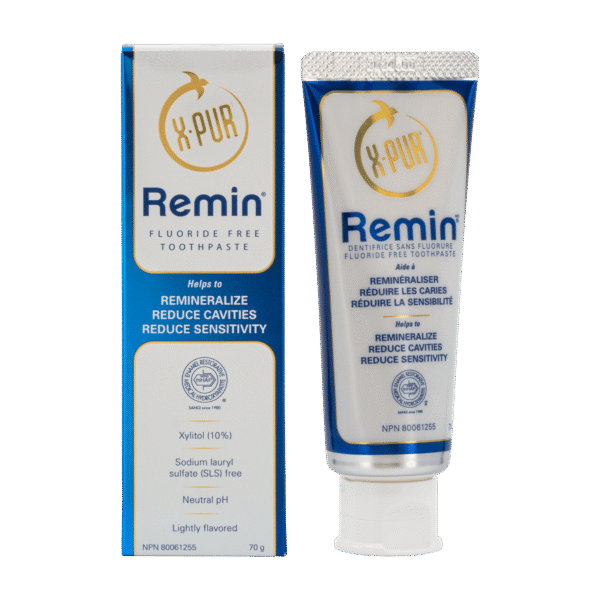
X-PUR Remin Toothpaste 70 g
$22.99
Nano-Medical Hydroxyapatite Toothpaste
Fluoride-Free Toothpaste Against Sensitivity, Caries, Xerostomia and Gingivitis
SKU: XP-REMIN
| Quantity | Unit price |
|---|---|
| 1+ | $22.99 |
| 6+ | $20.69 |

Mechanism of Action
The primary substance of our teeth is hydroxyapatite (97% of enamel and 70% of dentin), a calcium phosphate compound. This ingredient is safe and highly biocompatible. Nano Medical Hydroxyapatite (mHAP) particles penetrate below the surface of the enamel, providing replacement calcium and phosphate ions to areas from which minerals have dissolved. This remineralizes the demineralized enamel and restores its integrity and translucent gloss.
Main Ingredients

10% Xylitol
Reduces cariogenic bacteria load
Cariogenic microorganisms cannot metabolize xylitol, which results in their inability to produce lactic acid or polysaccharide which causes caries.
Learn more
Nano Medical Hydroxyapatite
Remineralizes and repairs
tooth enamel
Penetrate below the surface of the enamel, providing replacement calcium and phosphate ions to areas from which minerals have dissolved, restoring the enamel’s integrity and translucent gloss.
Learn moreOther ingredients: Water, macrogol 400,zeolite, polyvinylpyrrolidone, glycyrrhetinic acid, cetylpyridinium chloride, glycerin, xylitol,silicon dioxide, castor oil, sodium lauroyl glutamate, carrageenan, ethanol, carboxymethylcellulose sodium, titanium dioxide, peppermint flavour.
Indications
Xerostomia
Helps to remineralize tooth enamel (which helps against xerostomia)
Sensitivity
Helps to reduce pain caused
by tooth sensitivity
High-Risk Caries
Helps to reduce caries
Benefits
100% natural
GMO-, gluten- and
sugar-free
Sweetened with xylitol
10% xylitol and no acesulfame potassium
Lightly flavoured
Mild mint flavour leaves the mouth feeling refreshed
Environmentally friendly
Does not contain microplastics
No foaming agents
Free of sodium lauryl sulfate (SLS) and triclosan
Low abrasiveness
RDA (Relative Dentin Abrasivity) level of 60
Neutral pH (7.51)
RDA (Relative Dentin Abrasivity) level of 60
Whitening
Improves teeth whiteness and gloss
Clinical Uses
Geriatrics
Oncology treatment
Pediatrics
Periodontitis
Whitening
Xerostomia
Directions for Use
Brush
With a thin film of toothpaste
Expectorate
Spit
For optimal results
Do not eat, drink or rinse for 30 minutes
At least twice a day.


Related products
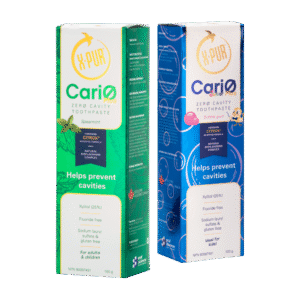
X-PUR CariØ Plus Toothpaste 100 g
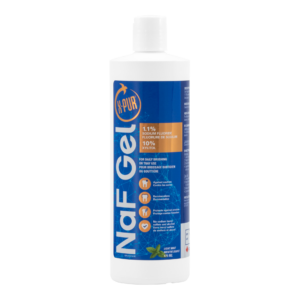
X-PUR NaF High Strength Sodium Fluoride Gel 1.1% 475 mL
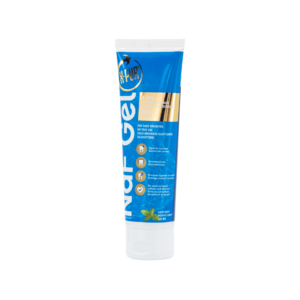
X-PUR NaF High Strength Sodium Fluoride Gel 1.1% 120 mL
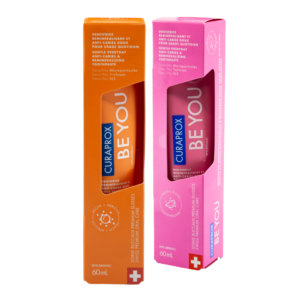
CURAPROX Be You Toothpaste 60 mL Tube
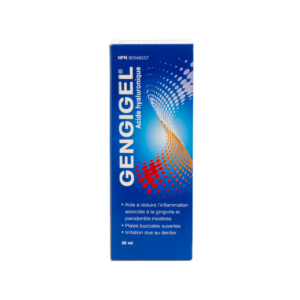
Gengigel hyaluronic acid gel 20 mL
Gengigel hyaluronic acid gel 1 mL sample
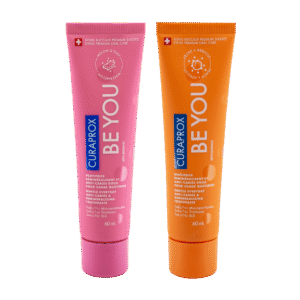
Curaprox Be You Toothpaste 2 x 60 mL Tubes (Peach + Apricot & Watermelon) for Personal Use FREE SHIPPING!
Trusted by Our Customers
There are no reviews yet.