Oral Science Protocol
Minimally Invasive Treatment For Caries Management
Dental Caries: A Reversible Disease, A New Treatment Paradigm
A Reversible Disease, A New Treatment Paradigm
For non-cavitated lesions, the majority of enamel caries can be remineralized. Too often carious lesions are simply restored, and the lifelong cycle of replacing tooth structure with restorations begins.
This protocol combines in-office and home-care solutions to promote arrest and reversal of the caries process by tooth remineralization, and it helps to optimize the oral flora.
The caries process progresses over time through adhesion, colonization, de- and re-mineralization, white spot, enamel lesion, dentin lesion, and pulpal lesion. Early diagnosis and prevention allow clinicians to intervene before restoration becomes necessary.
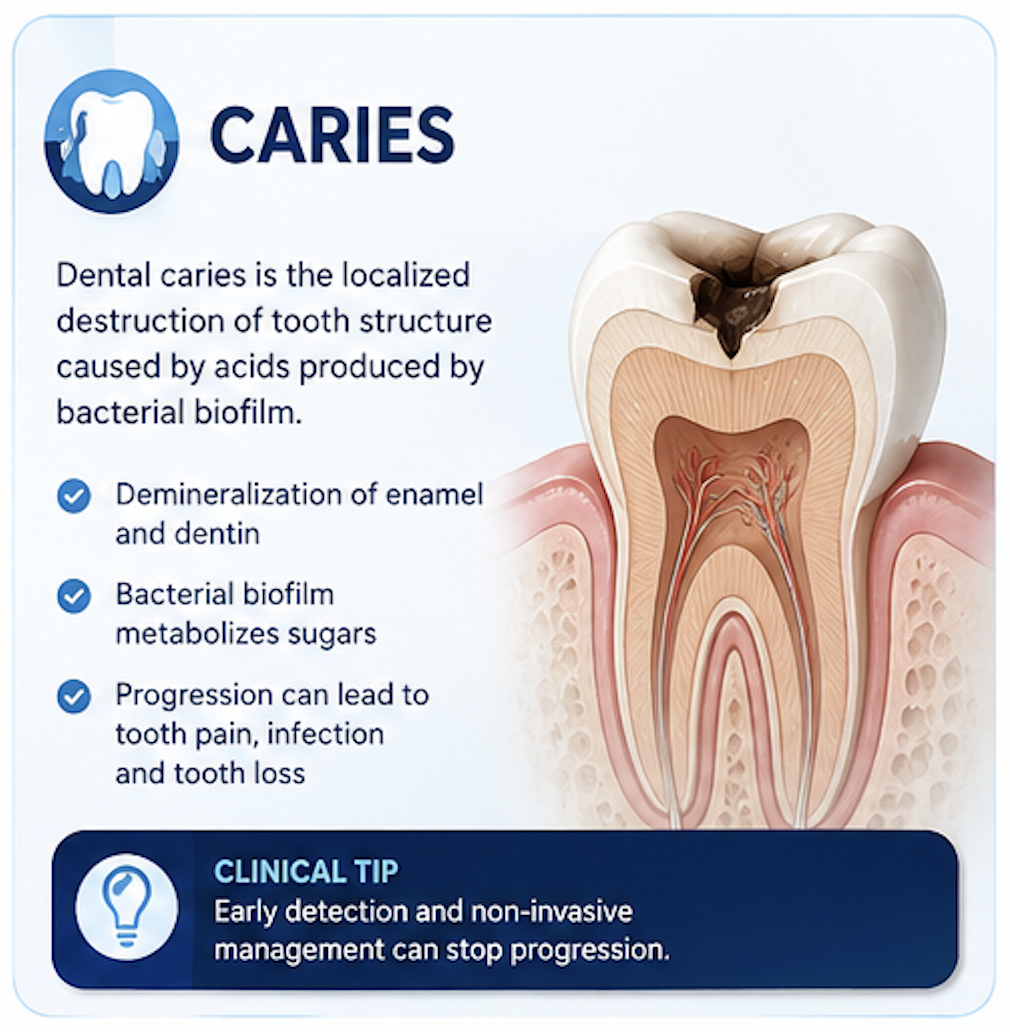
High Risk Caries
When clients present with any of the following:
Acidic & High Sugar Diet
Compromised Medical History
Deep Pit & Fissures
Defective Restorations
Familial Risks
Lack of Fluoride Exposure
Orthodontics
Poor Oral Self-Care
Recent Decay
Recession
Xerostomia
White Spot Lesions
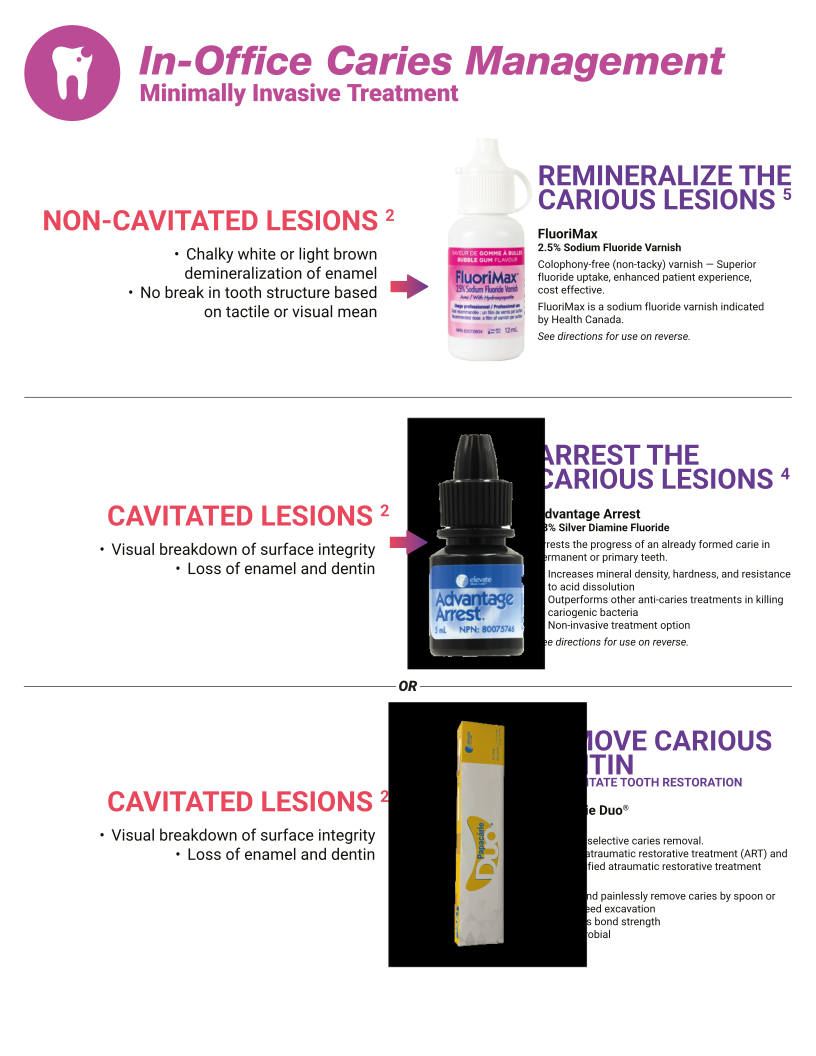
In-Office Caries Management
Minimally Invasive Treatment
Non-Cavitated Lesions
Remineralize The Carious Lesions
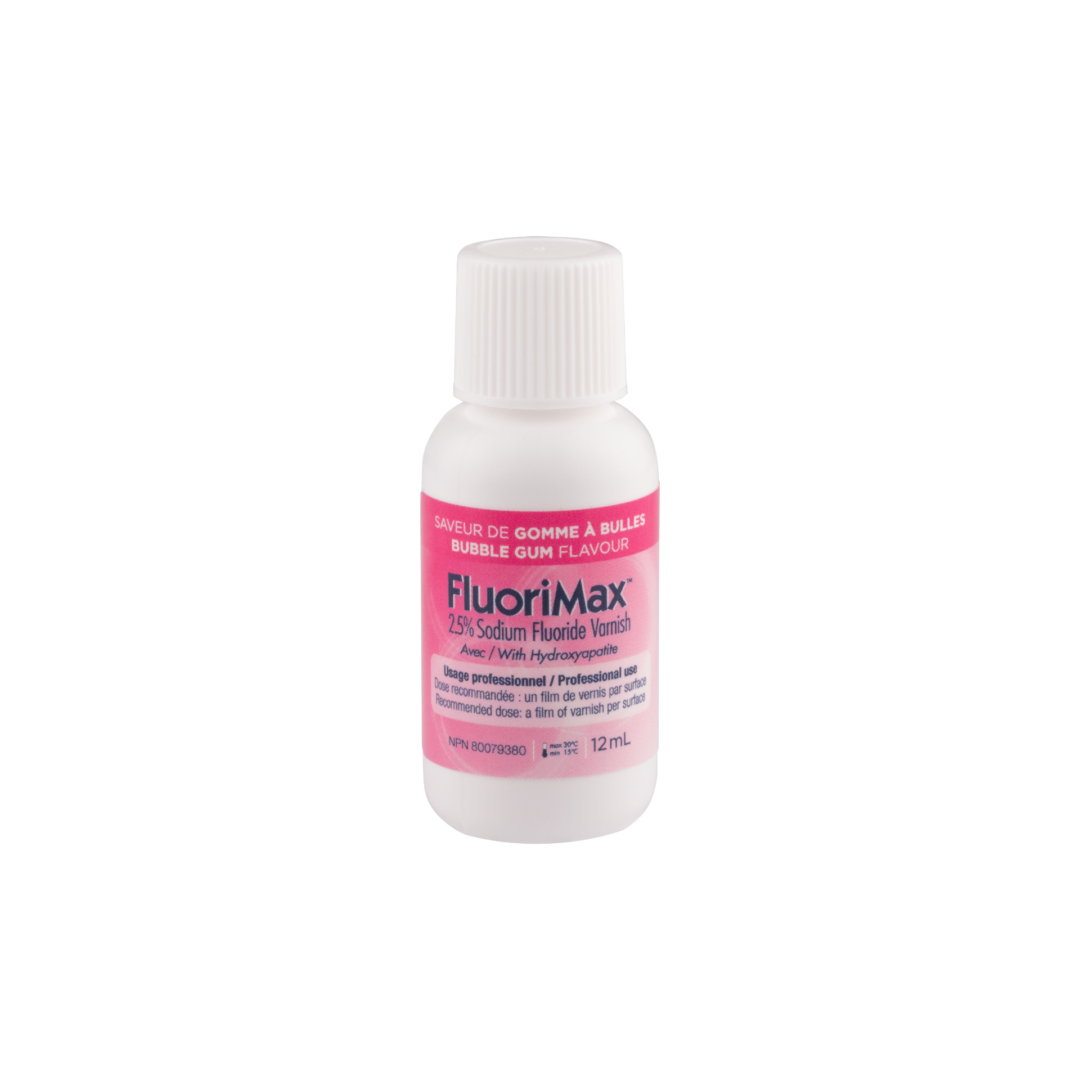
FluoriMax — 2.5% Sodium Fluoride Varnish
- Chalky white or light brown demineralization of enamel
- No break in tooth structure based on tactile or visual means
- Colophony-free (non-tacky) varnish — superior fluoride uptake, enhanced patient experience, cost effective
- Indicated by Health Canada
Cavitated Lesions
Arrest The Carious Lesions
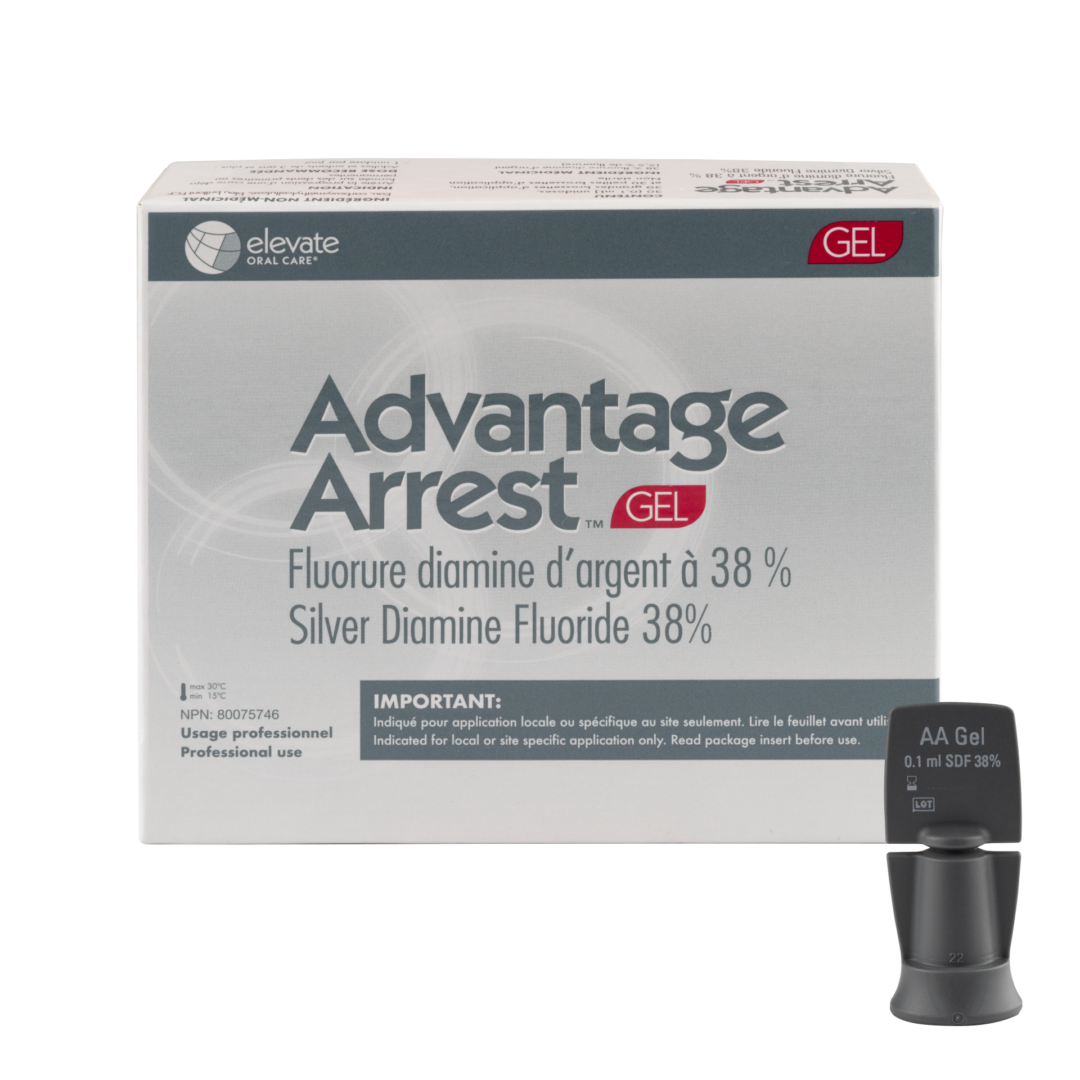
Advantage Arrest — 38% Silver Diamine Fluoride
- Visual breakdown of surface integrity, loss of enamel and dentin
- Arrests the progress of an already formed carie in permanent or primary teeth
- Increases mineral density, hardness, and resistance to acid dissolution
- Outperforms other anti-caries treatments in killing cariogenic bacteria
- Non-invasive treatment option
Cavitated Lesions (OR)
Remove Carious Dentin
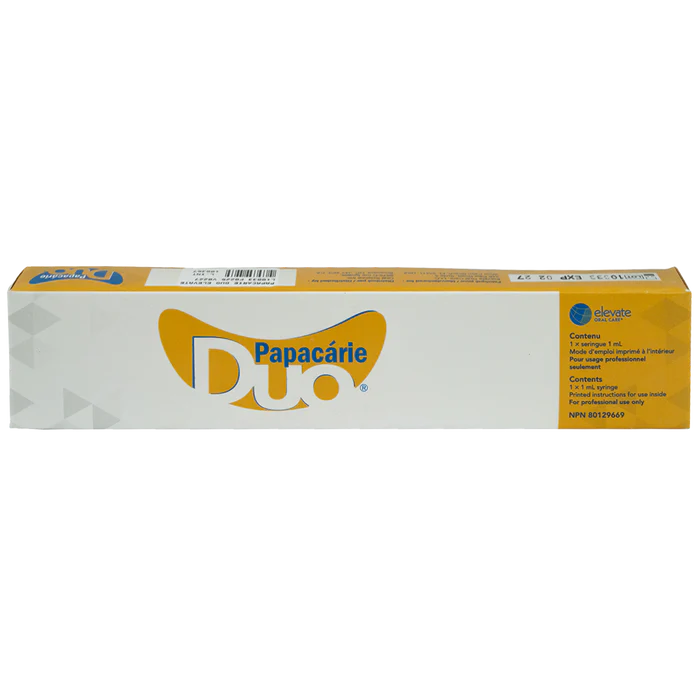
Papacárie Duo® — Papain | To Facilitate Tooth Restoration
- Facilitates selective caries removal
- Enhances atraumatic restorative treatment (ART) and silver modified atraumatic restorative treatment (SMART)
- Gently and painlessly remove caries by spoon or slow-speed excavation
- Improves bond strength
- Antimicrobial
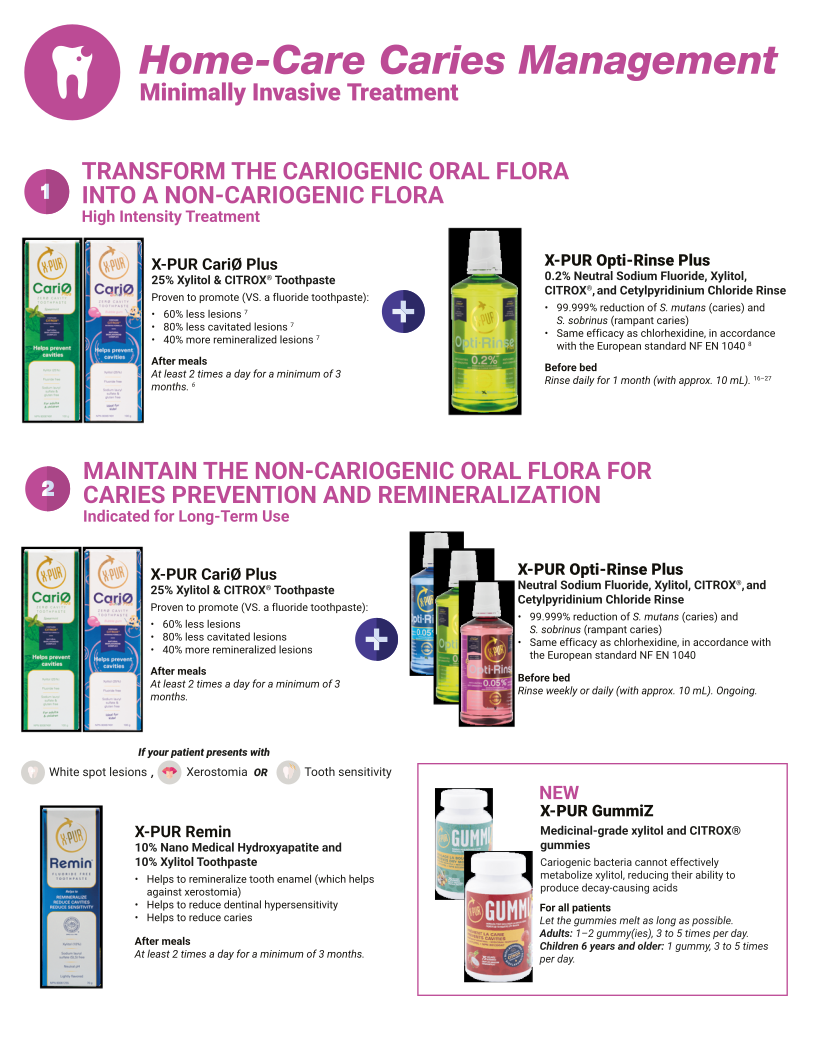
Home-Care Caries Management
Minimally Invasive Treatment
1. Transform The Cariogenic Oral Flora Into a Non-Cariogenic Flora
High Intensity Treatment
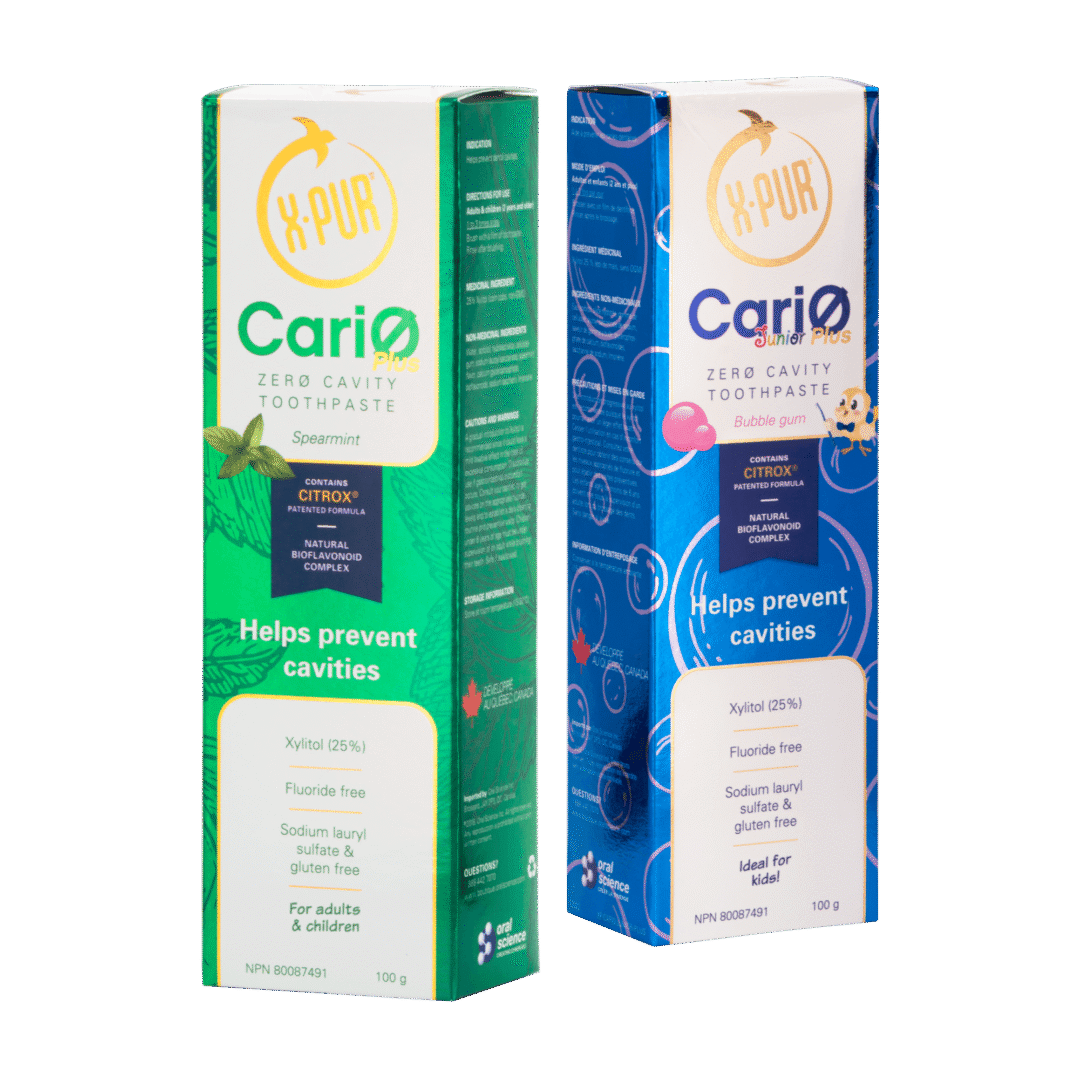
X-PUR CariØ Plus — 25% Xylitol & CITROX® Toothpaste. After meals, at least 2 times a day for a minimum of 3 months.
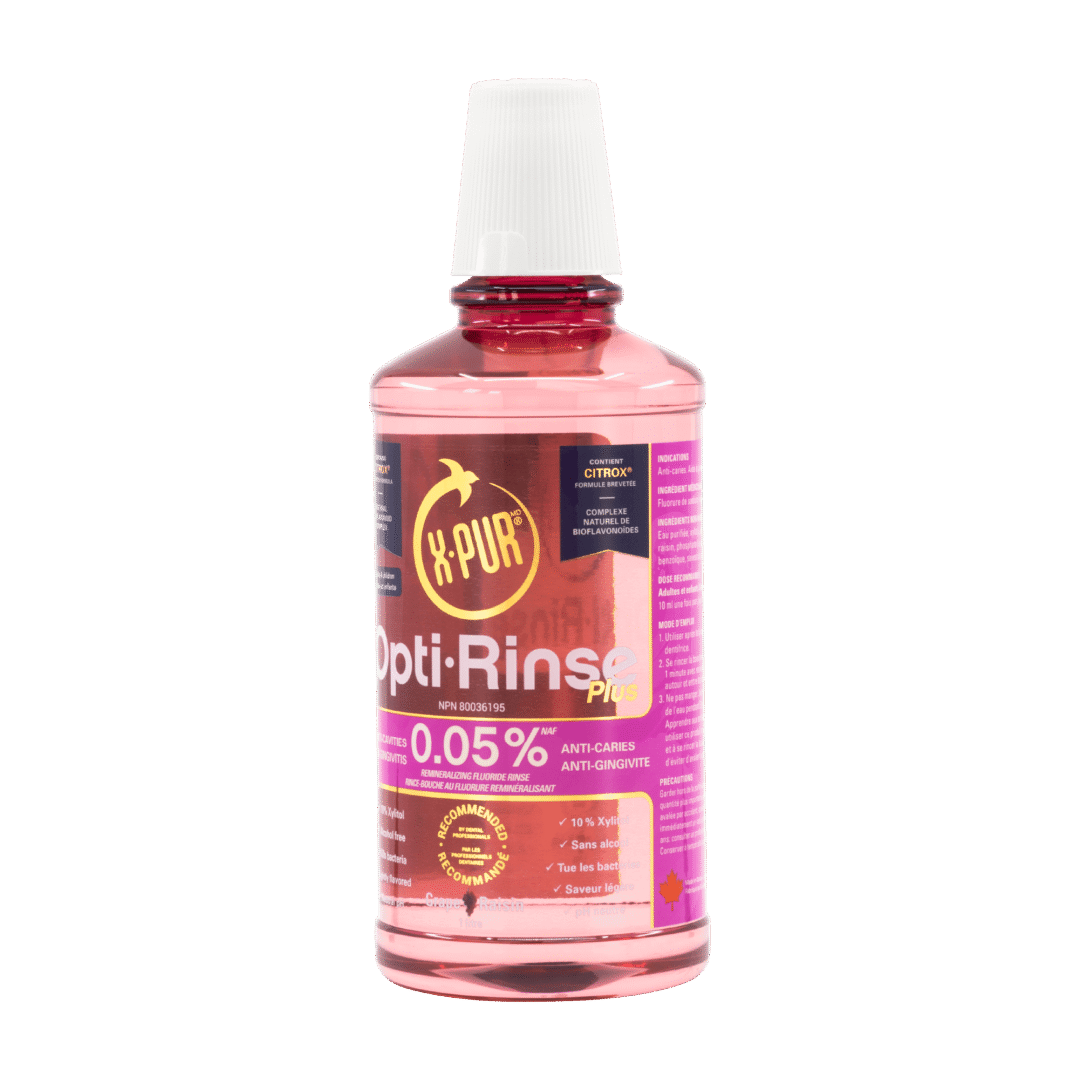
X-PUR Opti-Rinse Plus 0.2% — Neutral Sodium Fluoride, Xylitol, CITROX®, and Cetylpyridinium Chloride Rinse. Before bed, rinse daily for 1 month (approx. 10 mL).
2. Maintain The Non-Cariogenic Oral Flora For Caries Prevention And Remineralization
Indicated For Long-Term Use
X-PUR CariØ Plus — 25% Xylitol & CITROX® Toothpaste. After meals, at least 2 times a day for a minimum of 3 months.
X-PUR Opti-Rinse Plus — Neutral Sodium Fluoride, Xylitol, CITROX®, and Cetylpyridinium Chloride Rinse. Before bed, rinse weekly or daily (approx. 10 mL). Ongoing.
If Your Patient Presents with White Spot Lesions, Xerostomia or Tooth Sensitivity
X-PUR Remin — 10% Nano Medical Hydroxyapatite and 10% Xylitol Toothpaste. Helps to remineralize tooth enamel, reduce dentinal hypersensitivity and reduce caries. After meals, at least 2 times a day for a minimum of 3 months.
X-PUR Opti-Rinse Plus — Before bed, rinse weekly or daily (approx. 10 mL). Ongoing.
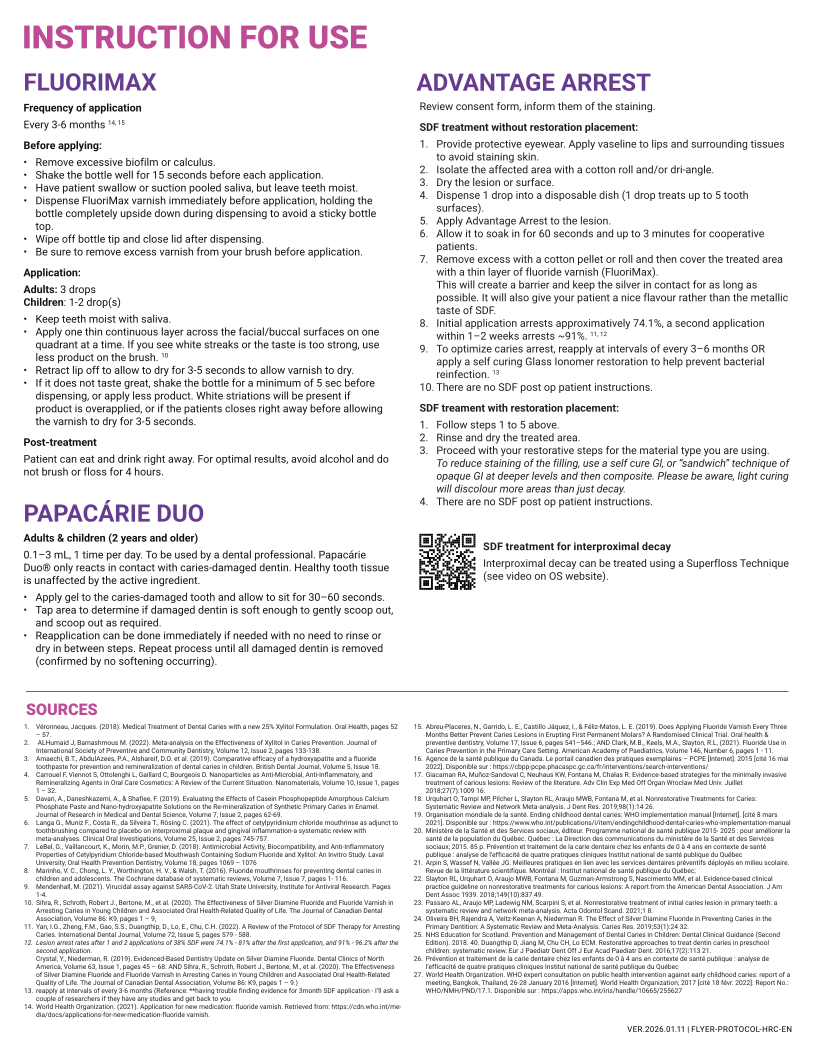
Instructions For Use
FluoriMax
Frequency of application: every 3–6 months
- Remove excessive biofilm or calculus and shake the bottle well for 15 seconds before each application
- Have patient swallow or suction pooled saliva, but leave teeth moist
- Dispense immediately before application, holding the bottle completely upside down; remove excess varnish from the brush
- Adults: 3 drops. Children: 1–2 drop(s)
- Apply one thin continuous layer across the facial/buccal surfaces, one quadrant at a time, then allow to dry 3–5 seconds
- Post-treatment: patient can eat and drink right away; for optimal results avoid alcohol and do not brush or floss for 4 hours
Advantage Arrest
Review consent form and inform the patient of the staining
- Provide protective eyewear; apply vaseline to lips and surrounding tissues to avoid staining skin
- Isolate the affected area with a cotton roll and/or dri-angle, then dry the lesion or surface
- Dispense 1 drop into a disposable dish (1 drop treats up to 5 tooth surfaces) and apply to the lesion
- Allow it to soak in for 60 seconds and up to 3 minutes for cooperative patients
- Remove excess and cover the treated area with a thin layer of fluoride varnish (FluoriMax)
- A second application within 1–2 weeks increases arrest from approx. 74% to approx. 91%; reapply every 3–6 months or place a self-curing glass ionomer restoration
Papacárie Duo®
Adults & children (2 years and older): 0.1–3 mL, 1 time per day, by a dental professional
- Only reacts in contact with caries-damaged dentin; healthy tooth tissue is unaffected by the active ingredient
- Apply gel to the caries-damaged tooth and allow to sit for 30–60 seconds
- Tap area to determine if damaged dentin is soft enough to gently scoop out, and scoop out as required
- Reapplication can be done immediately with no need to rinse or dry in between steps; repeat until all damaged dentin is removed
The Full Protocol
View the complete protocol flyer pages as published.
In-Office Caries Management
Home-Care Caries Management
Instructions For Use & Sources
Protocol Products
Products Referenced In The Protocol


Minimally Invasive Treatment For Caries Management
This protocol is intended to serve as a general guideline and does not encompass all possible clinical scenarios. Clinicians are advised to use their professional judgment and consider individual patient circumstances when making clinical decisions.
Sources
- Véronneau, Jacques. (2018). Medical Treatment of Dental Caries with a new 25% Xylitol Formulation. Oral Health, pages 52–57.
- ALHumaid J, Bamashmous M. (2022). Meta-analysis on the Effectiveness of Xylitol in Caries Prevention. Journal of International Society of Preventive and Community Dentistry, Volume 12, Issue 2, pages 133–138.
- Amaechi, B.T., AbdulAzees, P.A., Alshareif, D.O. et al. (2019). Comparative efficacy of a hydroxyapatite and a fluoride toothpaste for prevention and remineralization of dental caries in children. British Dental Journal, Volume 5, Issue 18.
- Carrouel F, Viennot S, Ottolenghi L, Gaillard C, Bourgeois D. Nanoparticles as Anti-Microbial, Anti-Inflammatory, and Remineralizing Agents in Oral Care Cosmetics: A Review of the Current Situation. Nanomaterials, Volume 10, Issue 1, pages 1–32.
- Davari, A., Daneshkazemi, A., & Shafiee, F. (2019). Evaluating the Effects of Casein Phosphopeptide Amorphous Calcium Phosphate Paste and Nano-hydroxyapatite Solutions on the Re-mineralization of Synthetic Primary Caries in Enamel. Journal of Research in Medical and Dental Science, Volume 7, Issue 2, pages 62–69.
- Langa G., Muniz F., Costa R., da Silveira T., Rösing C. (2021). The effect of cetylpyridinium chloride mouthrinse as adjunct to toothbrushing compared to placebo on interproximal plaque and gingival inflammation — a systematic review with meta-analyses. Clinical Oral Investigations, Volume 25, Issue 2, pages 745–757.
- LeBel, G., Vaillancourt, K., Morin, M.P., Grenier, D. (2018). Antimicrobial Activity, Biocompatibility, and Anti-Inflammatory Properties of Cetylpyridium Chloride-based Mouthwash Containing Sodium Fluoride and Xylitol: An In Vitro Study. Laval University, Oral Health Prevention Dentistry, Volume 18, pages 1069–1076.
- Marinho, V. C., Chong, L. Y., Worthington, H. V., & Walsh, T. (2016). Fluoride mouthrinses for preventing dental caries in children and adolescents. The Cochrane Database of Systematic Reviews, Volume 7, Issue 7, pages 1–116.
- Mendenhall, M. (2021). Virucidal assay against SARS-CoV-2. Utah State University, Institute for Antiviral Research. Pages 1–4.
- Sihra, R., Schroth, Robert J., Bertone, M., et al. (2020). The Effectiveness of Silver Diamine Fluoride and Fluoride Varnish in Arresting Caries in Young Children and Associated Oral Health-Related Quality of Life. The Journal of Canadian Dental Association, Volume 86: K9, pages 1–9.
- Yan, I.G., Zheng, F.M., Gao, S.S., Duangthip, D., Lo, E., Chu, C.H. (2022). A Review of the Protocol of SDF Therapy for Arresting Caries. International Dental Journal, Volume 72, Issue 5, pages 579–588.
- Lesion arrest rates after 1 and 2 applications of 38% SDF were 74.1%–81% after the first application, and 91%–96.2% after the second application. Crystal, Y., Niederman, R. (2019). Evidence-Based Dentistry Update on Silver Diamine Fluoride. Dental Clinics of North America, Volume 63, Issue 1, pages 45–68; AND Sihra, R., Schroth, Robert J., Bertone, M., et al. (2020). The Effectiveness of Silver Diamine Fluoride and Fluoride Varnish in Arresting Caries in Young Children and Associated Oral Health-Related Quality of Life. The Journal of Canadian Dental Association, Volume 86: K9, pages 1–9.
- Reapply at intervals of every 3–6 months. [Reference to be confirmed]
- World Health Organization. (2021). Application for new medication: fluoride varnish.
- Abreu-Placeres, N., Garrido, L. E., Castillo Jáquez, I., & Féliz-Matos, L. E. (2019). Does Applying Fluoride Varnish Every Three Months Better Prevent Caries Lesions in Erupting First Permanent Molars? A Randomised Clinical Trial. Oral Health & Preventive Dentistry, Volume 17, Issue 6, pages 541–546; AND Clark, M.B., Keels, M.A., Slayton, R.L. (2021). Fluoride Use in Caries Prevention in the Primary Care Setting. American Academy of Pediatrics, Volume 146, Number 6, pages 1–11.
- Agence de la santé publique du Canada. Le portail canadien des pratiques exemplaires — PCPE [Internet]. 2015.
- Giacaman RA, Muñoz-Sandoval C, Neuhaus KW, Fontana M, Chałas R. Evidence-based strategies for the minimally invasive treatment of carious lesions: Review of the literature. Adv Clin Exp Med. Juillet 2018;27(7):1009–16.
- Urquhart O, Tampi MP, Pilcher L, Slayton RL, Araujo MWB, Fontana M, et al. Nonrestorative Treatments for Caries: Systematic Review and Network Meta-analysis. J Dent Res. 2019;98(1):14–26.
- Organisation mondiale de la santé. Ending childhood dental caries: WHO implementation manual.
- Ministère de la Santé et des Services sociaux. Programme national de santé publique 2015–2025 : pour améliorer la santé de la population du Québec. Québec : La Direction des communications du ministère de la Santé et des Services sociaux; 2015. 85 p.
- Arpin S, Wassef N, Vallée JG. Meilleures pratiques en lien avec les services dentaires préventifs déployés en milieu scolaire. Revue de la littérature scientifique. Montréal : Institut national de santé publique du Québec.
- Slayton RL, Urquhart O, Araujo MWB, Fontana M, Guzman-Armstrong S, Nascimento MM, et al. Evidence-based clinical practice guideline on nonrestorative treatments for carious lesions: A report from the American Dental Association. J Am Dent Assoc. 2018;149(10):837–49.
- Passaro AL, Araujo MP, Ladewig NM, Scarpini S, et al. Nonrestorative treatment of initial caries lesion in primary teeth: a systematic review and network meta-analysis. Acta Odontol Scand. 2021;1–8.
- Oliveira BH, Rajendra A, Veitz-Keenan A, Niederman R. The Effect of Silver Diamine Fluoride in Preventing Caries in the Primary Dentition: A Systematic Review and Meta-Analysis. Caries Res. 2019;53(1):24–32.
- NHS Education for Scotland. Prevention and Management of Dental Caries in Children: Dental Clinical Guidance (Second Edition). 2018; AND Duangthip D, Jiang M, Chu CH, Lo ECM. Restorative approaches to treat dentin caries in preschool children: systematic review. Eur J Paediatr Dent. 2016;17(2):113–21.
- Prévention et traitement de la carie dentaire chez les enfants de 0 à 4 ans en contexte de santé publique : analyse de l’efficacité de quatre pratiques cliniques. Institut national de santé publique du Québec.
- World Health Organization. WHO expert consultation on public health intervention against early childhood caries: report of a meeting, Bangkok, Thailand, 26–28 January 2016. World Health Organization; 2017. Report No.: WHO/NMH/PND/17.1.